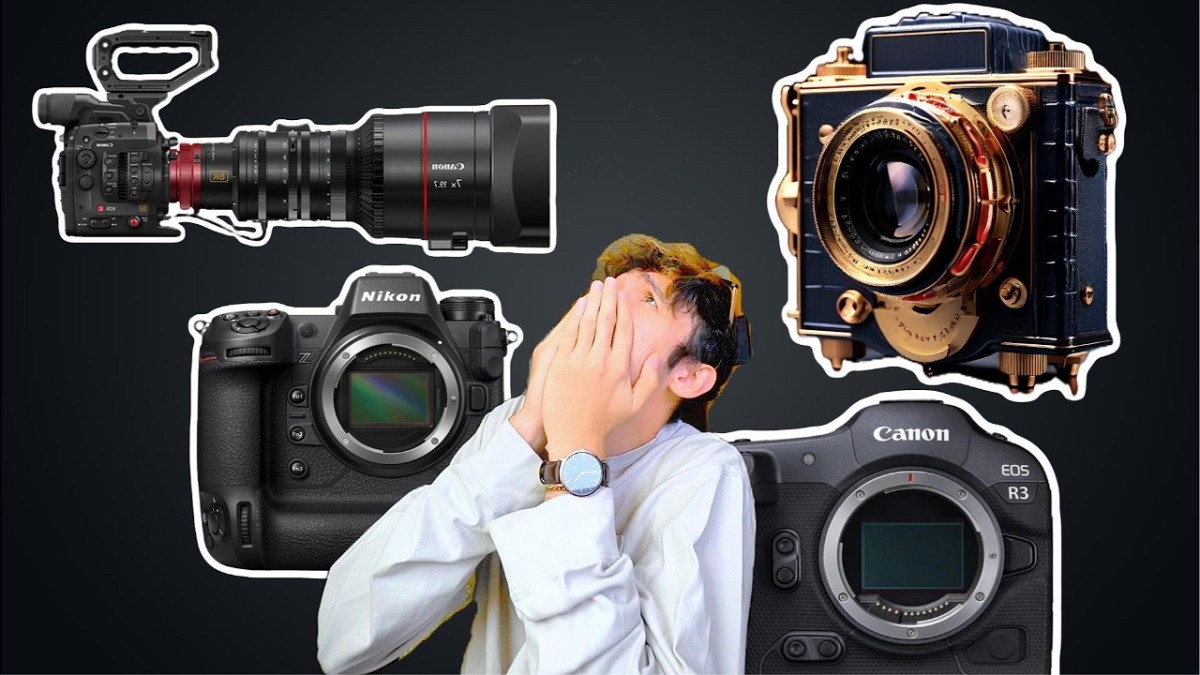
The History and Future of Polaroid Cameras: From Instant Legend to Gen Z Icon

There was a time when Polaroid was the cutting edge of photography—a picture in your hand seconds after you snapped it, no darkroom, no lab, no waiting. Then came the digital revolution, and Polaroid all but disappeared, becoming a relic of the past.

But somehow, Polaroid didn’t die.

In fact, in the 2020s, it came back. Not because of tech specs or convenience—but because of something no megapixel count could replace: nostalgia, tangibility, and a craving for physical memory in a digital world.

In 2025, Polaroid cameras are still here—and not just as retro novelties. They’re being embraced by a younger generation that wasn’t even alive during their heyday. And now, as the instant camera industry faces new pressures and opportunities, a new chapter is being written.


The Fall: Instant Cameras in a Digital Age

In the early 2000s, Polaroid was collapsing.

Digital cameras had taken over. You could see your photo instantly without wasting film. You could store hundreds of images on a tiny memory card. Why pay for a picture you couldn’t edit, retake, or post?

By 2008, Polaroid stopped making film altogether. The instant camera dream was dead, a casualty of convenience.

Except it wasn’t.


The Rebirth: The Impossible Project and the Rise of Retro

In 2010, a group of passionate analog enthusiasts bought what was left of Polaroid’s last film factory. They called it The Impossible Project—because they were trying to do exactly that: bring Polaroid film back from extinction.

By 2017, they’d succeeded.
The Impossible Project rebranded itself as Polaroid Originals, then simply Polaroid. The film was back. And so were the cameras.

But something strange happened. Young people started to care.


2020–2023: Instant Film Goes Gen Z

In an era defined by 10-second TikToks, disappearing Stories, and perfectly curated digital feeds, physical photos started to feel… special again.

  • Fujifilm Instax dominated the space with affordable cameras and credit-card-sized prints.
  • Polaroid’s I-Type film embraced imperfections: light leaks, soft focus, unpredictable colors—everything modern photography filters try to fake.
  • Disposable cameras even saw a comeback among influencers.

Teenagers were documenting parties with film. College students were decorating walls with instant memories. It wasn’t about quality—it was about authenticity.

And brands noticed.


2024–2025: The Modern Instant Camera Moment

The last two years have seen Polaroid stabilize as a niche-but-beloved brand, while competitors like Fujifilm continue to expand. But make no mistake—the instant camera isn’t just surviving. It’s thriving in its own way.

What’s working now:

  • Hybrid Instant Cameras: Fujifilm’s Instax Mini Evo and Polaroid’s I-2 blend digital control with analog prints, giving users the best of both worlds.
  • App Connectivity: Some cameras now let you print from your phone, or preview shots digitally before committing to film.
  • Film Customization: Colored borders, new tones, double exposures—today’s instant cameras offer more creative control than ever.
  • Branding Crossovers: Instant film is now fashion. Brands like Supreme, Stranger Things, Keith Haring, and BTS have all partnered with instant camera makers.

In short, instant cameras have shifted from photography tools to lifestyle objects—artsy, social, nostalgic, and fun.


The Future: What’s Next for Polaroid and Instant Film

Instant cameras are facing a challenge: as smartphone cameras and AI image generation get better, fewer people take pictures to remember. They take them to post.

So where does instant film go next?

1. Creative Hybrid Cameras

Expect more cameras like the Polaroid I-2—offering DSLR-like manual controls, digital features, and high-quality lenses, all while preserving analog prints. These aren’t for casual users—they’re for artists.

2. Instant Cameras for Creators

Cameras built for TikTok-era creators—with instant filters, short video clips, and creative prompts—could push the category further into youth culture.

3. Sustainable Film Options

With growing concern over environmental waste, there’s mounting pressure to develop eco-friendlier instant film—biodegradable plastics, less chemical usage, and recyclable casings.

4. AI-Aided Analog

AI in instant photography? It sounds strange—but it’s coming. Imagine apps that help you plan your instant shots, predict light exposure, or offer live suggestions before printing. Or hybrid cameras that can “remix” your analog photos digitally without scanning.

5. Print-From-Anything Devices

As smartphone photos continue to dominate, expect more Polaroid printers that let you turn digital memories into tangible keepsakes instantly—with classic Polaroid borders.


The Takeaway: Instant Cameras Aren’t Trying to Compete—They’re Offering Something Phones Can’t

In 2025, Polaroid isn’t about megapixels or convenience. It’s about presence.
It’s about slowing down. Holding a moment in your hand. Watching it develop in real time. Hanging it on a wall. Giving it to someone without airdropping.

While the rest of tech speeds up, instant cameras are doubling down on being real, slow, and permanent.

And that might be exactly why they still matter.

If you’d like to checkout any of the cameras mentioned above, here they are again (affiliate).

Instax Mini 11 (best cheap option)

Polaroid I2 (best authentic Polaroid option)

Instax Mini Evo (best all-in-one option)

The Rise, Plateau, and Pivot of Digital Cameras: What Went Wrong? (and What’s Next for Digital Cameras?)

There was a time—not long ago—when carrying a digital camera made you feel powerful. Professional. Ready to capture anything from a mountain sunrise to a wedding kiss in cinematic glory. A chunky camera around your neck meant something. It was a badge of artistry.

And then… it wasn’t.

Smartphones got smarter. Social media made fast content king. And that once-revered Digital Camera? Left behind.

Now in 2025, the digital camera industry is at a crossroads. Some brands are thriving. Others are bleeding. But it’s clear: we’re no longer in the golden age of casual camera ownership.

Still, this isn’t a eulogy. It’s a pivot. Because cameras are evolving—just in ways no one expected.


The Golden Era: 2005–2015

This decade was a dream for camera lovers. DSLRs became affordable. Mirrorless was the rising challenger. And the gear wars began.

  • Canon Rebel series brought pro-looking photos to the masses.
  • Nikon D90 became a cult classic.
  • Sony’s early mirrorless line quietly rewrote the rules.
  • YouTube creators flocked to Canon 80D, GH5, and Sony A7 bodies.

Photography was no longer just for professionals. Everyone wanted bokeh. Everyone talked about lenses. Even entry-level cameras produced stunning results—and camera shops thrived.

But in the background, a threat was growing in your pocket.


The Plateau: 2016–2020

Smartphones began eating the industry alive.

Every year, your iPhone or Galaxy got better at computational photography:

  • Portrait mode mimicked depth of field.
  • Night mode saw in the dark.
  • HDR balanced impossible lighting.

Suddenly, a $1,000 phone rivaled a $2,000 camera—without needing to know what ISO meant.

Compact cameras died first.
Entry-level DSLRs followed.
By 2020, only professionals and hardcore enthusiasts were still buying dedicated cameras. Even travel vloggers started reaching for phones over Sony Alphas.

The camera industry hit a wall.


The Mirrorless Shift: 2020–2024

If DSLRs were dinosaurs, mirrorless was supposed to be the meteor that saved photography.

And to an extent, it was.
Every major brand went mirrorless:

  • Canon launched the EOS R line and stopped developing new DSLRs.
  • Nikon followed with the Z series.
  • Sony, already ahead, doubled down with the A7S III, FX3, and beyond.
  • Fujifilm and Panasonic carved out cult followings among hybrid shooters.

Mirrorless promised:

  • Smaller bodies.
  • Real-time eye autofocus.
  • Silent shooting.
  • Better video integration.

But while the tech got better, the audience didn’t get bigger. For casual users, the gap between phone and camera had grown too small to justify thousands in gear. Creators stuck around, but hobbyists? Many drifted.


2025: Where We Are Now

Today, digital cameras still thrive—but only in specific lanes.

What’s surviving:

  • Hybrid video/photo shooters (YouTubers, indie filmmakers, wedding photographers)
  • High-end photography (sports, fashion, wildlife)
  • Film-style aesthetics (Fujifilm, Leica)
  • Niche creators who want full control or cinematic flexibility

Phones dominate snapshots. But if you need storytelling, low light control, or interchangeable lenses—dedicated cameras are still unmatched.

That said, the market has shrunk.
Casual consumers? Gone.
Dedicated pros and creators? Still here—but with high expectations.


What’s Next: The Future of Digital Cameras

So where does this industry go from here? A few likely directions—and some bold experiments.

1. AI-Assisted Capture

Cameras will start integrating AI in ways similar to phones:

  • Scene recognition that adjusts settings more intelligently
  • In-camera background separation or real-time subject tracking
  • Possibly: post-shot refocusing and exposure correction

Sony and Canon are already testing smarter AF systems that use machine learning to recognize subjects beyond just faces.

2. Smaller, Stronger Hybrids

Expect more compact, full-frame bodies with pro features:

  • Internal RAW video
  • Pro audio inputs
  • Real-time LUT previews
    Think: a cinema rig in your jacket pocket.

3. Modular Cameras

Some brands are experimenting with modular bodies—swap the screen, change the grip, update the sensor. This could revive enthusiast interest by making cameras more customizable (like PCs or drones).

4. Computational Glass

There’s talk of digital lenses that combine optical glass with AI elements—maybe even adjust field of view, distortion, or depth in real time. Think: real lenses with “smart” guts.

5. Creator-First Design

Future cameras may ditch tradition. Imagine:

  • Built-in vertical shooting modes
  • Touchscreen UIs built like phones
  • Auto-edit + export systems for faster turnaround
  • Built-in wireless cloud backup, even live-streaming directly from the camera

Cameras are learning not to compete with phones—but to work more like them.


The Takeaway: Cameras Aren’t Dying. They’re Evolving Into Tools, Not Toys.

The casual camera market? Gone.
The golden age of everyone carrying a Canon? Over.
But digital cameras aren’t dead—they’ve just found their people.

In 2025, a camera isn’t for the masses. It’s for the storyteller. The documentarian. The artist. And it’s becoming better suited for that job than ever.

So no, you won’t see a return to every tourist snapping with a DSLR.

But the cameras that remain?
They’re leaner. Smarter. Focused.
And they’re finally being built for the ones who never stopped creating.

I Wore Ray-Ban Meta Glasses for 24 Hours Straight – Can They Really Replace Your Phone?

Can AI glasses replace your smartphone? For 24 hours, I put the Ray-Ban Meta Smart Glasses to the test as my only device. No phone. No screen. Just these futuristic glasses equipped with AI, speakers, cameras, and microphones.

These are among the most popular AI glasses you can buy right now. But can they really replace your smartphone or are they just a cool gimmick? Here’s what I learned after wearing them non-stop for a full day.

👉 Check out the Ray-Ban Meta Glasses and styles here


First Impressions – What Can These Glasses Actually Do?

At first glance, these glasses have impressive features:

  • Five microphones for clear audio
  • Bone-conduction speakers to keep you aware of your surroundings
  • A built-in AI assistant (powered by ChatGPT)
  • Ability to call, text, take photos, record videos, live stream, and more
  • No screen—but is that really a downside?

To find out, I hit the streets and asked people:

Do you think AI glasses will ever replace smartphones?

Surprisingly, most people thought “yes”, and were excited about where AI is heading—even if they weren’t fully familiar with the tech yet.


Living Without a Phone for a Day

For the next 24 hours, these glasses were my lifeline. Here’s how they stacked up:

✅ Texts, Calls, and Podcasts

  • I texted friends using just my voice
  • Made calls easily
  • Put on my favorite podcast while walking through the city
    All hands-free, all seamless.

✅ The AI Cheat Code

One of the coolest features?
I used the glasses to summarize pages from a book—all without pulling out my phone or laptop.

✅ My Favorite Feature: Describing the World Around Me

  • I asked Meta to describe what it saw and even write a poem about a yellow taxi passing by.
  • Later, it helped me write song lyrics on the fly!
    I finished the song way faster than I would have on my own.

How It Changed My Day

Without social media or constant notifications, I was way more present in the world around me.
It felt refreshing—almost like a digital detox but without losing core functionality like calling, texting, and listening to music.

⏰ Timer as an Alarm

Fun fact: while Meta can’t set an alarm yet, you can use a timer workaround to wake up on time.


An Unexpected Twist

Later that evening, an emergency took me to the hospital with a family member.
Even during stressful moments, not having a phone glued to my hand was grounding.
I was fully present, spending quality time without distractions.


The Verdict – Can These Glasses Replace a Phone?

🟢 Yes… but also no.

For now, these glasses can replace 80-90% of what you use your phone for:

  • Calls & texts
  • Music & podcasts
  • AI assistance & translations
  • Instant photo/video capture

But they aren’t quite a full replacement—yet. They’re more of an enhancement for someone who wants fewer distractions and more hands-free control.


Who Are They Really For?

If you:

  • Already wear glasses
  • Want to minimize screen time
  • Love experimenting with cutting-edge tech
  • Need a personal AI assistant everywhere you go
    These could be perfect.

While future AR glasses with displays will likely be more mainstream, Ray-Ban Metas are for minimalists and tech lovers who want to experience a new way to interact with the world.


Final Thoughts

Incredible for mental health
Feels futuristic, but very practical
Way more immersive and freeing than expected

👉 Check out these AI glasses and explore the styles here

The above links are affiliate links and help support me at no extra cost to you.


World’s BIGGEST Phone Lens! 15,000MM Zoom – Insane or Useless?

Smartphone cameras are getting better every year, but no phone comes close to the insane zoom range of this 15,000MM lens. For reference, the world’s biggest camera lens I previously tested only reached 4,000MM—and this smartphone lens nearly quadruples that.

But is it actually usable, or is it just a gimmick? I took it out to a wildlife refuge and put it through real-world tests. Here’s what happened.


🔥 Wildlife Photography at 1,500MM Zoom

Before we max out the zoom, let’s start at 1,500MM—just 10% of what this lens can do.

Sharp images—better than I expected for a budget super-zoom
Great for bird photography—getting close-up shots without disturbing them
Easy manual focus—but definitely shaky if you don’t stabilize it

📸 Test Results: The birds looked incredible. I was able to see details I couldn’t even spot with my 20/20 vision. But the real test? Tracking fast-moving subjects.


🏃 Following Fast-Moving Subjects at 3,000MM & 6,000MM

At 3,000MM, tracking moving subjects became harder. At 6,000MM, it was almost impossible without a tripod.

Incredible reach—I could see ducks on the far end of a lake, houses on a distant hill, and even cars miles away.
Stability is an issue—even minor movements cause huge shakes in the frame.
Still sharp at 6,000MM—as long as I let go of the phone and let it settle.

I was shocked at how good the image quality was, but what happens when we push it even further?


🌕 Moon Shots & The 12,000MM Test

The moon was initially hard to find, but once I did, it came in incredible detail!

But at 12,000MM, something unexpected happened:

⚠️ Chromatic aberration increased – noticeable purple fringing around edges
⚠️ Focus became extremely sensitive – tiny adjustments threw off clarity
Still insane detail for a budget phone lens

This is way beyond what the lens was designed for. It’s technically only supposed to reach 1,500MM, so at 12,000MM and beyond, it’s stretching the limits.

That said… I had one more test to push it to the absolute extreme.


💥 15,000MM Mega Zoom – Does It Even Work?

At full 15,000MM zoom, things got crazy.

👀 What I Could See:
The road horizon disappearing around a corner miles away
Distant objects I couldn’t even see with my naked eye
Birds that looked microscopic at normal zoom became HUGE

But here’s the truth:

⚠️ The quality suffers at max zoom – digital zoom + optical = blurry images
⚠️ Shaky beyond belief – without a tripod, this level of zoom isn’t practical
⚠️ Not meant for this – remember, this is a 1,500MM lens, not 15,000MM

Despite all that, the fact that this is even possible with a budget smartphone lens is mind-blowing.


🏆 Who Is This Lens For?

This lens is actually useful for:

✔️ Wildlife & Bird Photography – Get clear close-ups from far away
✔️ Long-Distance Nature Shots – See horizon details your eyes can’t
✔️ Budget-friendly super zoom – Better than some $200+ DSLR lenses

But if you need extreme clarity at 15,000MM, this isn’t for you.


⚡ Final Thoughts – Should You Buy It?

I expected this lens to be trash, but instead, it blew me away.

💰 Way cheaper than pro camera lenses
📸 Better than expected quality at 1,500MM
⚠️ Shaky at extreme zoom levels

🔗 Get it here: The 15,000MM Lens (affiliate link)

Honestly? If you love wildlife photography or just want the craziest zoom on your phone, this is worth it.

Cameras Make You POOR – Here’s Why (And How to Avoid it)

Photography and videography are amazing hobbies, but they come with a price—literally. Camera gear can easily cost thousands, if not tens of thousands of dollars. But why is that? And more importantly, is there a way to get into cameras without going broke?

In this article, we’ll break down:
Why cameras are so expensive
The smartest ways to save money on camera gear
How to get professional gear without draining your wallet

Let’s dive in.


📸 Why Is Camera Gear So Expensive?

1️⃣ The Audience Is Small and Specialized

Unlike smartphones, which billions of people buy, high-end cameras cater to a tiny market. The fewer buyers there are, the more companies have to charge to make a profit.

Think of it this way:
🔹 iPhones – Almost everyone needs a phone → Lower prices due to mass production
🔹 Cheap cameras – People who want better quality than their phone → Mid-range pricing
🔹 Pro cameras – Semi-pros and serious hobbyists → Higher pricing, but still accessible
🔹 Hollywood-level cameras – Only a handful of people need these → $40K+ price tags

📊 Fewer buyers = Higher prices per unit.


2️⃣ Camera Gear Lasts Too Long (Which Sounds Like a Good Thing, But Isn’t)

Unlike phones, which need upgrades every 2-3 years, a high-quality camera or lens can last a decade or more. This means camera brands can’t rely on frequent upgrades to drive profits, so they charge more upfront.

Think about it:
✅ A Sony A7 III (2018) is still an amazing camera today
✅ A Canon 5D Mark III (2012) is still used by professionals
Lenses last FOREVER – A great 50mm lens from 1990 is still just as good today

💡 Since people don’t upgrade cameras as often as they do phones, companies charge more per sale to make up for lower demand.


3️⃣ New Models Are Released SLOWLY

Unlike the iPhone, which gets a new model every year, cameras and lenses don’t update nearly as fast.

🔹 iPhones → New every 12 months 📅
🔹 Sony Cameras → Every 3-4 years
🔹 Lenses → Sometimes they last 10+ years without a major update 🏆

💰 Fewer releases = Higher prices because brands need to make the most money out of each model.

And guess what? Lenses hold their value even better than cameras. You can buy a lens today, use it for 5 years, and resell it for nearly the same price.


💸 How to Get Into Cameras Without Going Broke

Now that we know why camera gear is expensive, let’s talk about how to get pro-level gear for a fraction of the price.


1️⃣ Buy Used, Not New

Cameras lose value fast. You can save 30-50% by buying last year’s model used instead of new.

Best places to buy used:
eBay – Good deals, but check seller ratings
Adorama / B&H Used – Reputable camera shops
Facebook Marketplace – Local deals can save you a ton
Local camera stores – Many have trade-in programs

📌 Example Savings:
💰 Sony A7 IV New – $2,500
💰 Sony A7 IV Used – $1,800 (Save $700!)

Used cameras work just as well and often come with barely any wear.


2️⃣ Rent Before You Buy

If you only need a high-end lens or camera for a weekend project, rent it instead.

🎥 Places to rent gear cheaply:
LensRentals.com – Huge selection
Local camera shops – Often cheaper than online
Borrow from friends – Best price = FREE

💡 Why spend $3,000 on a lens when you can rent it for $30?


3️⃣ Upgrade Lenses Slowly & Trade Up

Lenses hold their value, which means you can trade up slowly over time.

Here’s a smart way to upgrade:
📷 Start with a $200 used lens
📷 Sell it for $150
📷 Buy a $500 lens with the $150 from the first sale
📷 Sell that later for $400 and buy a $1,000 lens

Over time, you’ll end up with a pro lens without ever dropping $3,000 in one go.


4️⃣ Skip the Camera, Use Your Phone

Smartphone cameras are insanely good now.

🔹 If you’re just starting, an iPhone 15/16 or Samsung S24 Ultra has better image quality than most $500 cameras.
🔹 You can use apps like Filmic Pro to get DSLR-like manual controls.
🔹 The biggest difference is lenses, but for casual use, your phone might be enough.

💡 Before dropping thousands on a camera, ask yourself: Do I REALLY need it?


5️⃣ Don’t Buy Everything at Once

New photographers often think they need:
❌ A $3,000 camera
❌ Five different lenses
❌ A drone
❌ Studio lighting

🚨 Big mistake.

👊 Start small:
✔ Get a used DSLR or mirrorless camera
✔ Pick ONE good lens (like a 50mm f/1.8 for portraits or a 16-35mm for wide shots)
✔ Learn how to use it inside and out
✔ Upgrade only when you actually NEED to

💰 Most beginners waste thousands on gear they don’t even use. Don’t be that person.


💡 Final Thoughts

Cameras are expensive, but they don’t have to make you broke.

Buy used instead of new
Rent lenses for short-term needs
Upgrade slowly by reselling old gear
Use your phone if you don’t really need a camera
Start with one lens and build from there

💡 It’s not about having the best gear—it’s about knowing how to use what you have.


📢 What do you think? Have you ever regretted spending too much on camera gear? Let me know in the comments!

Ray Ban Meta Long-Term Review (2025) – Are They Still Worth It?

I’ve owned the Ray-Ban Meta Smart Glasses for over six months, and it’s time for an honest long-term review. Do I still think they’re worth it? Have they held up over time? What features stand out, and what issues have I run into? If you’re considering getting a pair, here’s everything you need to know.

👉 Check out the Ray-Ban Meta Smart Glasses here: Ray Ban Meta Glasses in multiple colors – Amazon (Affiliate link, supporting the content at no extra cost to you!)


🔥 What I Love About the Ray-Ban Meta Smart Glasses

These glasses have some incredible features that set them apart from anything else on the market. Here are the biggest standouts:

1. Five Microphones for Outstanding Call Quality

  • The built-in microphones in the bridge of the glasses provide crystal-clear audio.
  • Call quality is actually better than AirPods, according to people I’ve spoken with on video and audio calls.
  • Whether you’re in a busy street or a quiet room, voices come through incredibly clear.

2. Bone Conduction Audio – Listen to Music Without Earbuds

  • The bone conduction speakers allow you to listen to music while staying fully aware of your surroundings.
  • It’s a great alternative to AirPods, especially when walking in the city or working out.
  • You can hear everything around you, while still enjoying music, podcasts, or calls.

3. Built-in 1080p Camera for POV Recording

  • You can shoot 1080p vertical videos with just a tap on the side of the frame.
  • Initially, the glasses had a 60-second recording limit, but that has now been increased to 3 minutes.
  • This is perfect for capturing spontaneous moments without pulling out your phone.

4. Real-Time AI Assistant and Object Recognition

  • This feature blew my mind—the AI assistant can identify objects, translate text, and describe scenes.
  • Example: I asked, “Hey Meta, what’s this plant?” and it correctly identified a rosemary bush.
  • It can also translate foreign languages on signs, menus, and even conversations.

5. No Need to Pull Out Your Phone

  • Instead of taking 10+ steps to open an app on your phone, you can just ask Meta AI.
  • Whether you need directions, weather updates, or random trivia, it works like an upgraded Siri without needing a screen.

👎 What I Don’t Love About the Ray-Ban Meta Smart Glasses

As great as these glasses are, there are some downsides worth mentioning.

1. The 3-Minute Recording Limit

  • While it’s better than 60 seconds, I still wish there was no limit.
  • I get why it exists (overheating issues), but a future update or hardware upgrade would be great.

2. I Don’t Normally Wear Glasses

  • I got laser eye surgery years ago so I wouldn’t have to wear glasses.
  • That said, I still wear these regularly because the design is actually stylish.

3. The App Initially Had Transfer Issues (Now Fixed!)

  • When these first launched, you had to keep the app open to transfer videos.
  • That was annoying, but thankfully Meta fixed it—now you can close the app and still transfer media.

4. No Horizontal Video Mode

  • I love flexibility in filming—my phone and camera can easily switch between vertical and horizontal.
  • But these only record in vertical mode.
  • I wish they had an option to flip the orientation for landscape recording.

🎯 Who Are These Glasses Best For?

These aren’t for everyone, but they’re absolutely worth it for certain people.

If You Already Wear Glasses

  • Prescription lenses can be added, making these a powerful upgrade to normal glasses.
  • Price-wise, they cost about the same as regular glasses but with way more functionality.

If You Use AirPods Daily

  • These are only $100 more than AirPods Pro but offer better call quality and music playback.
  • No earbuds = better awareness of your surroundings.

If You’re a Creator or Love Capturing Moments

  • POV recording makes it easier to document experiences hands-free.
  • You don’t need to pull out your phone—just press a button and start recording.
  • Perfect for travel vlogs, action sports, and everyday memories.

If You Love Smart Tech and AI Assistants

  • The AI recognition and voice control features make these feel like the future of smart glasses.
  • Being able to identify objects, plants, and people just by looking at them is something straight out of sci-fi.

💪 Durability & Long-Term Wear

  • I’ve dropped these multiple times, and they still work perfectly.
  • They charge in the case, and battery life is excellent.
  • The design is sleek and stylish, with different models and colors available.

🚀 Final Verdict – Are They Still Worth It in 2025?

💯 YES, especially if you wear glasses or use AirPods often.
Even though I don’t normally wear glasses, I still use them every week.

What I’d Like to See in Future Versions:

Longer recording limits (or no limit at all)
Horizontal video mode for YouTube-style filming
Even more AI capabilities

If any of those features get added, these could become a must-have daily wearable for everyone.

👉 Check out the Ray-Ban Meta Smart Glasses here: Ray Ban Meta Glasses – Amazon (Affiliate link – helps support this content at no extra cost to you!)


Do you think smart glasses will replace phones one day? Let me know your thoughts! 🚀

What’s in My Minimalist Travel Bag: 30 Days, 1 Bag, and All My Regrets

Traveling light is an art form, but even the most seasoned travelers can make mistakes. I recently embarked on a 30-day backpacking journey across Europe, packing everything into a single bag. Spoiler alert: I made some regrettable choices. Here’s a look at what I packed, what I should have left behind, and the lessons I learned from my minimalist packing missteps.

The Great Mistakes: What I Regret Not Bringing

  1. The Bigger Portable Travel Charger
  • Affiliate Link: The Better, Fatter Portable Charger
  • Why It Was Great: This charger would have saved my life. Compact, powerful, and versatile, it would have charged all my devices without fuss.
  1. Travel Accessories
  • Affiliate Link: The Best Mini Tripod
  • Why It Was Great: I heavily regretted bring a full-sized tripod, even though it was marketed as a travel tripod. This mini tripod would have been more useful for capturing stable shots on the go. If you’re a content creator, a compact mini tripod is a must-have.
  1. The Massage Gun
  • Affiliate Link: The Cheap Massage Gun That WORKS WELL
  • Why It Was Great: Long hikes and heavy backpacks would have made this a lifesaver. The massage gun would have provided much-needed relief and should have been packed from the start.
  1. The Travel Towel
  • Affiliate Link: The Better Travel Towel
  • Why It Was Great: Compact and quick-drying, this towel was an upgrade over traditional ones. I should have replaced the normal towel with this sooner.

The Regrets: What I Should Have Left Behind

  1. The Large Phone Mount
  • Why It Was a Mistake: Bulky, uncomfortable, and unstable, this phone mount took up too much space and was rarely used. A smaller, more versatile option would have been better.
  1. The Full-Sized Tripod
  • Why It Was a Mistake: Despite good intentions, the full-sized tripod was impractical. It was cumbersome and rarely used. A mini tripod would have sufficed and saved valuable space.
  1. The Camera and Extra Lens
  • Why It Was a Mistake: I ended up using my iPhone for most of the photos and videos. The camera and extra lens were unnecessary, adding weight and taking up space that could have been used more efficiently.

Lessons Learned

  • Pack Light, Pack Smart: Minimalism isn’t just about reducing items; it’s about choosing the right items. Opt for compact, versatile gear that you’ll actually use.
  • Prioritize Comfort: Long days of travel and exploration mean you need gear that enhances comfort, like a good massage gun for muscle relief.
  • Embrace Flexibility: Sometimes, a minimalist approach means being adaptable. If you find something isn’t working, be prepared to adjust your packing list.

In hindsight, my minimalist packing approach was a mix of hits and misses. While I learned valuable lessons and discovered some great travel gear, there were also clear missteps. If you’re planning a similar adventure, take my experiences as a guide to streamline your packing process.

For more detailed reviews of the travel gear I used, check out the links above. And if you want to see the daily vlogs from my European journey, let me know in the comments!

Affiliate Links to Gear Mentioned:

If you want to see everything I originally brought live and in detail, check out this video!

Happy travels and may your packing be flawless!

$40 vs. $400 Smart Glasses: Ray-Ban Meta Showdown

In the world of smart glasses, the Ray-Ban Meta stands as a premium option, renowned for its sleek design and impressive functionality. But can a pair of $40 smart glasses really compete with the Ray-Ban Meta’s $400 price tag? Let’s dive into a detailed comparison to see how these budget-friendly glasses stack up against the high-end Ray-Ban Meta models.

The Contenders

  • Ray-Ban Meta Smart Glasses: Known for their stylish design, high-quality video recording, and seamless integration with various apps, these smart glasses come in three models:
  • Standard Ray-Ban Meta Smart Glasses – Priced at around $300.
  • New Ray-Ban Meta Design – A fresh design variant costing $400.
  • $40 Smart Glasses: A budget-friendly option that promises functionality at a fraction of the cost. Check them out here.

Unboxing and First Impressions

Ray-Ban Meta Smart Glasses:

  • Design: Sleek and modern, with a premium feel.
  • Build Quality: Solid construction with high-quality materials.
  • Features: Integrated cameras and microphones for recording videos and making calls.

$40 Smart Glasses:

  • Design: Basic and less polished.
  • Build Quality: Lightweight and simple, but less durable.
  • Features: Basic functionality, with a more noticeable blue tint on the lenses.

The $40 smart glasses come with a basic plastic case and accessories like a manual and a micro USB charger. They are notably lighter and more discreet than the Ray-Ban Meta glasses, but the quality of materials is less refined.

Comfort and Fit

Ray-Ban Meta Smart Glasses:

  • Comfort: Generally well-fitted with a snug feel, available in two sizes (normal and large).
  • Usage: Comfortable for extended wear, even during physical activities.

$40 Smart Glasses:

  • Comfort: Lightweight and generally comfortable, but they feel less secure during movement.
  • Usage: Suitable for casual wear but might fall off during vigorous activity.

Charging and Usability

Ray-Ban Meta Smart Glasses:

  • Charging: Uses a case that charges the glasses, offering convenience and reducing cable clutter.
  • Buttons and Controls: Touch-sensitive controls for recording and managing settings.

$40 Smart Glasses:

  • Charging: Requires direct micro USB connection, which can be less convenient.
  • Buttons and Controls: Simple button operation for turning on and recording.

Video and Audio Quality

Ray-Ban Meta Smart Glasses:

  • Video Quality: High-definition video recording with a professional feel, excellent for creating content.
  • Audio Quality: Clear and crisp audio, ideal for recording and calls.

$40 Smart Glasses:

  • Video Quality: Lower resolution and less clarity, with noticeable color distortions and poor performance in various lighting conditions.
  • Audio Quality: Inferior compared to the Ray-Ban Meta, with noticeable background noise and reduced clarity.

Pros and Cons

Ray-Ban Meta Smart Glasses:

  • Pros: Superior build quality, better video and audio performance, stylish design, and seamless functionality with apps and phone calls.
  • Cons: Higher price point and less discreet in terms of design.

$40 Smart Glasses:

  • Pros: Much more affordable, lightweight, and discreet. Records video horizontally, which might be preferred for some users.
  • Cons: Poor video and audio quality, less comfort, and inconvenient charging method.

The Verdict

While the $40 smart glasses offer significant savings and are a viable option for casual users, they fall short in comparison to the Ray-Ban Meta’s quality and functionality. The Ray-Ban Meta glasses are clearly superior in terms of video and audio quality, comfort, and overall build. If you’re serious about smart glasses and can afford the investment, the Ray-Ban Meta is the better choice. However, if you’re just experimenting or on a tight budget, the $40 glasses provide basic functionality at a fraction of the cost.

Interested in checking out the smart glasses? Here are the links to both options:

Disclaimer: The links provided are affiliate links, meaning I may earn a commission if you make a purchase through them at no extra cost to you.

Whether you’re looking for top-notch quality or a budget-friendly option, this comparison should help you make an informed decision.

Photo Printer vs. Polaroid Camera: Which Is Best for You in 2024?

Choosing between a photo printer and a Polaroid camera can be a tough decision, but it ultimately boils down to what you value more in your photography experience. Both options have their own unique strengths and can cater to different needs. Let’s break down the pros and cons of each to help you make an informed choice.

Why You Might Prefer a Photo Printer

1. Refined Selection and Quality Control
Photo printers offer a higher degree of control over the photos you print. You can sift through your digital library, select the best images, and even edit them to your liking before printing. This allows for a more curated and refined collection of memories. For example, if you’ve captured a stunning image of the Milky Way or a cherished pet, you can ensure that it looks perfect before it’s printed.

2. Enhanced Editing Capabilities
With photo printers, you get the advantage of editing options. The associated apps let you adjust contrast, saturation, and apply effects to make your photos pop. This level of control ensures that the final print is exactly how you envision it, making photo printers ideal for those who appreciate a bit more polish in their prints.

3. Cost-Effective in the Long Run
The cost per print with photo printers is generally lower than that of Polaroid cameras. Photo printers use film that can be bought in bulk, and with each sheet averaging around a dollar, you have the flexibility to print more without worrying about wasting precious film. This can be especially advantageous for printing large quantities of images or for those who are budget-conscious.

Why You Might Prefer a Polaroid Camera

1. Spontaneity and Authenticity
Polaroid cameras excel in capturing spontaneous moments with an old-school charm. The immediate physical print you get from a Polaroid camera adds an element of surprise and excitement to the photo-taking process. For instance, the Instax Mini 40 captures raw, unfiltered emotions and memories as you see them, which is something that digital editing often can’t replicate.

2. Nostalgic Aesthetic
The built-in flash of Polaroid cameras gives your photos a nostalgic, retro look that’s hard to achieve with modern photo printers. This aesthetic is perfect for creating a vintage feel and adding a unique touch to your memories. The inherent imperfections of Polaroid photos, like the slightly off colors and the border, contribute to their nostalgic value.

3. Instant Gratification and Joy
There’s a certain joy and satisfaction that comes with instantly holding a physical photo. The act of taking a Polaroid picture and watching it develop in front of you creates a memorable experience. Plus, you can write directly on the print, adding a personal touch that enhances the emotional impact of the photo.

The Verdict: Which One Is Best for You?

Ultimately, the choice between a photo printer and a Polaroid camera depends on your personal preferences and needs:

  • Choose a Photo Printer if: You prefer a more controlled and refined photo experience with the ability to edit and curate your images before printing. It’s also a more cost-effective solution if you plan to print many photos.
  • Choose a Polaroid Camera if: You value spontaneity, nostalgia, and the immediate gratification of holding a physical photo. The Polaroid camera is perfect for capturing authentic moments and enjoying the vintage charm of instant photography.

If you find yourself drawn to both aspects, consider investing in both a photo printer and a Polaroid camera. They complement each other well and offer a versatile approach to preserving your memories. You can find the best options for each (affiliate links) below:

Feel free to share your thoughts or any other recommendations in the comments! Your feedback is always welcome, and I’d love to explore more gear based on your suggestions. Thanks for reading, and happy photographing!

Instax Mini 40 Review: Is It the Best Polaroid Camera of 2024?

In the realm of instant photography, few things capture raw, unfiltered memories like a Polaroid camera. The Instax Mini 40, with its nostalgic charm and practical features, is a standout option for those looking to add a touch of analog magic to their photo collection. But does it live up to the hype? Let’s dive into the features, pros, and a bit of personal history that makes this camera special.

Camera Features and Functionality

The Instax Mini 40 is designed with simplicity in mind. Its standout feature is the dedicated selfie screen, allowing you to frame your shots accurately for those close-up moments. The viewfinder on the side is clear and functional, giving you a reliable preview of your shot whether you’re shooting horizontally or vertically.

Using the camera is straightforward:

  1. Loading Film: Insert the film into the compartment, close it, and press the button to extend the lens.
  2. Capturing Photos: Hit the shutter button to take a photo. The camera’s standard flash will fire with each shot, adding to the nostalgic quality of the images.

The Instax Mini 40’s design is rugged and durable, ensuring it can handle the rigors of travel and everyday use. It offers a standard field of view, so what you see through the viewfinder is what you get in your print.

The Magic of Instant Photography

Instant cameras like the Instax Mini 40 capture moments in a way that digital photos often can’t. The immediate physical print, coupled with the vintage color palette and flash-enhanced look, makes each shot a unique piece of memorabilia. These cameras are less about achieving photographic perfection and more about capturing the genuine emotion of the moment.

Personal Reflections: An Emotional Journey

Here’s where the Instax Mini 40 becomes more than just a camera for me. My last girlfriend gifted me this camera, and all the pictures I’ve taken with it are imbued with personal memories. From our joyous moments together to candid shots of her with a dinosaur, each photo evokes a sense of nostalgia and sentimentality.

Looking through these images now brings a mix of emotions. There’s a sense of loss, but also a deep appreciation for the memories captured. The Instax Mini 40 has a way of preserving moments in a format that feels both tangible and intimate, which photo printers can struggle to replicate.

Final Thoughts

If you’re looking for a Polaroid camera that combines classic features with modern reliability, the Instax Mini 40 is a fantastic choice. It’s not just a tool for taking photos but a means to capture and hold onto special moments in a uniquely nostalgic way. The emotional value of these prints is something digital photos often lack.

For those interested in exploring this camera further, you can find it here. Keep in mind that the links are affiliate links, meaning I may earn a small commission if you make a purchase, but it comes at no additional cost to you.

Thank you for joining me on this review journey. Whether you’re reminiscing about old memories or creating new ones, the Instax Mini 40 is a solid choice for anyone who values the emotional weight of instant photography.