$500 Robot Dog VS REAL Puppy – Can AI Replace Man’s Best Friend?

It’s the ultimate test of tech vs. tradition: Loona the AI robot dog takes on Wanda the real-life corgi in a head-to-head comparison of brains, fluff, and sass.

On paper, it sounds ridiculous. A rolling robot with a screen for a face taking on a fluffy, four-legged cuddle machine? But this is the future—and we’re here to find out if a robot pet can really compete with the real thing.


🐕 Round 1: First Impressions

Let’s just say… Wanda the corgi was skeptical from the jump. At times, she circled Loona like a predator stalking prey. Other times, she froze like she’d just seen a ghost. Loona, meanwhile, did what she does best: wagged her robot ears, rolled around confidently, and ignored the awkwardness like a pro.


🎨 Round 2: Design Breakdown

  • Loona the Robot Dog:
    • Smooth-rolling wheels
    • Screen with animated expressions
    • Movable ears
    • Cute but tiny—like a futuristic pup on wheels
  • Wanda the Real Dog:
    • Genuine corgi fluff
    • Wagging tail (no programming required)
    • Caffeine-powered energy (or so it seems)
    • Built-in puppy dog eyes™

🏃 Round 3: Following Skills & Races

Wanda naturally follows you around like a loyal companion. Loona? Surprisingly, she keeps up well… unless she mistakes your face for a wall and runs straight into it. Oops.

In the race test? Wanda wins, but Loona put up a good fight—just needed a little better GPS software.


🎓 Round 4: Tricks & Obedience

  • Wanda the Corgi:
    • Classic sit, shake, stay, and high-five moves.
    • Simple, adorable, reliable.
  • Loona:
    • Fist bumps, spins, plays dead, and even gets “blown away by the wind” (robot-style).
    • Bonus? Software updates = more tricks anytime you want.

💬 Round 5: Conversation & Dating Advice

Here’s where Loona breaks the game:

  • Offers dating advice like suggesting cozy cafes or parks for dates.
  • Can flirt (?!), crack jokes, and even teach you life lessons.
  • Has bilingual skills… sort of (unless you want French—then she just really insists on teaching you Chinese).

Meanwhile, Wanda… well, Wanda has the cuteness, but no dating tips.


🤖 Robot Sass vs Puppy Love

Loona is like having a smart, sassy best friend in robot form. She’s quick with comebacks and doesn’t hesitate to tell you she’s the “cutest one in the room.” Wanda? She’s more of a silent partner, snuggly but not the best at relationship advice.


🏆 Final Verdict

If you’re looking for:

  • Fluff, real cuddles, and unconditional love?
    Go with the corgi. 🐶
  • Sass, humor, and a no-fuss, no-cleanup, conversation-ready AI buddy?
    Loona might just surprise you. 🤖

At the end of the day, it’s less about “which is better” and more about what you want from your companion. Want a tech-savvy buddy who’ll keep you laughing? Or the timeless bond of a real pup?

👉 Loona is currently on sale if you’re curious (affiliate)


Which would YOU choose: the robot or the real doggo? 🐕✨🤖

Where Did Spy Pens Come From? (What Made Them Possible—and Why Now?)

Somewhere between James Bond’s Q-lab fantasy and real-world convenience lies a surprisingly powerful tool that fits in your pocket: the spy pen.

Yes, they’re real. And in 2025, they’re cheaper, smarter, and more capable than ever—able to record full HD video, audio, and sometimes even sync to a smartphone via Bluetooth, all while still functioning as an ordinary pen. But where did this sleek surveillance tech come from? What made it possible? And why has it suddenly become relevant now, decades after Cold War spies were already dreaming of this kind of gadget?

Let’s break it down.


📜 The Origins: Spy Gear Was Always About Being Small and Secret

Spy pens, as a concept, have been around since at least the 1960s—mostly in the form of fictional devices. Movies like From Russia With Love and Mission: Impossible popularized the idea of hidden cameras and gadgets inside everyday objects. And while real-life espionage tools did exist (like hollow coins or tiny microphones), the tech simply wasn’t small or efficient enough to make a pen-sized camera practical.

​The evolution of spy pens into sleek devices with high-quality cameras has been a gradual process, influenced by advancements in miniaturization and technology. During the 1970s, the CIA modified a Seiko digital watch to house a Tropel T-100 camera, allowing agents to discreetly photograph documents. ​Watches of Espionage

It wasn’t until the miniaturization of electronics in the late ’90s and early 2000s that spy pens started to exist in the real world. Early versions were clunky, expensive, and had extremely limited recording quality—grainy video, mono audio, and barely an hour of battery life.

Still, the seed had been planted.


🔬 What Made Modern Spy Pens Possible

A few key technologies had to evolve before spy pens could become viable (and affordable) for everyday users:

1. Micro Cameras & CMOS Sensors

Modern spy pens use miniature CMOS sensors, which offer high-quality video in ultra-small form factors. These sensors are cheap to produce and use less power than their older CCD counterparts, making them perfect for hidden recording.

2. Flash Storage

Thanks to ultra-compact microSD cards, spy pens can store hours of HD video in a space smaller than your fingernail. This wasn’t possible even a decade ago without bulky internal memory.

3. Lithium-Ion Batteries

High-density rechargeable batteries made it possible to record for hours at a time without needing a massive power source. They’re thin enough to fit inside a pen tube and reliable enough for daily use.

4. Affordable Manufacturing in Asia

Mass production and supply chains centered in China and Taiwan made it possible to sell decent-quality spy pens for as little as $20–$60. Without this, they’d still be luxury gadgets.

5. USB Miniaturization

Most spy pens today have USB-A or USB-C ports cleverly hidden in the top or clip, allowing direct file transfer and charging—features that used to require dedicated docks or cables.


🤫 Why Now? What’s Driving Their Popularity in 2025

Spy pens aren’t just tech novelties anymore—they’ve found new life in several modern use cases:

🧑‍💼 1. Workplace Accountability & Security

In an era where whistleblowing and workplace misconduct are rising concerns, individuals are using spy pens to discreetly record meetings, interviews, and confrontations.

🎓 2. Student Note-Taking

Some spy pens double as voice recorders or even real-time transcription tools, helping students capture lectures without drawing attention.

🎥 3. Creators & DIY Documentarians

With privacy laws respected, creators use spy pens for discreet “first-person” footage or hidden-camera challenges—especially in journalism or YouTube-style storytelling.

🛡️ 4. Personal Safety

Many women and vulnerable groups now carry discreet recording tools like spy pens in case of harassment or assault, especially in regions with limited law enforcement support.

🔍 5. Modern Surveillance and Mystery Shopping

Private investigators, undercover auditors, and mystery shoppers use them to gather evidence or feedback without disrupting the natural flow of events.


⚠️ The Ethical Line: A Tool, Not a Toy

While spy pens are easier than ever to get, they’re also more controversial. Recording someone without consent can be illegal depending on your state or country’s wiretapping and privacy laws.

Some countries require all-party consent for recording audio. Others allow one-party consent. But hidden video, especially in private spaces, is almost always off-limits.

So even though the tech is available to anyone, how it’s used determines whether it’s empowering—or illegal.


🧠 The Takeaway: Spy Pens Are the Result of a Tech Tipping Point

Spy pens didn’t arrive overnight. They’re the product of decades of tech miniaturization, battery innovation, and market demand converging into one sleek form factor. They’re fascinating, useful, and yes—a little creepy.

But they also represent something much bigger: a moment in time where powerful tech no longer needs to look powerful. In 2025, intelligence can literally hide in plain sight.

If you’re curious, my TOP recommended Spy Pen, should you choose to accept this mission, is this one here (affiliate). It has GREAT reviews, is remarkably affordable, and I’ve tested it quite thoroughly myself. I can honestly say the video and audio quality is very good, and the pen writes really smoothly too.

If you enjoyed this read, be sure to subscribe to our email list. It’s completely free and you’ll be up to date with all sorts of the latest gadget history and news. Until next time!

$1 Kitten vs $500 Robot Dog – The Most Chaotic Comparison Ever

If someone told me I’d be comparing a real kitten to a $500 AI robot dog, I’d have called them crazy. But welcome to the future, where robots not only roam your home—they sass you, flirt with you, and sometimes accidentally attack you mid-conversation.

Let’s break down this chaotic yet hilarious head-to-head between Caster the kitten (costing $1) and Loona, the AI-powered robot dog with wheels, expressive eyes, and an attitude problem.


🐾 Round 1: First Impressions

  • The Kitten: A tiny, mysterious furball, blending adorable curiosity with that classic feline “I might bite you” energy.
  • Loona the Robot Dog: Smooth-rolling wheels, mechanical ears, and a screen face full of expressions. Loona is ready to charm or sass you depending on her mood.
    Spoiler: Neither knew what to make of each other at first.

🎨 Round 2: Design & Build

  • Loona:
    • High-end screen for eyes
    • Interactive ears & voice responses
    • Can draw pictures, do tricks, and download custom commands
    • Durable wheels for smooth movement
    • But… also faceplants. A lot.
  • Kitten:
    • 100% organic
    • Multicolored fur
    • Responds to pets and snuggles
    • Will randomly climb things and try to assassinate you from above

🤖 Round 3: Skills & Tricks

  • Loona:
    • Fist bumps, play dead, spin, and even “get blown by the wind”
    • Has full-on conversations (and roasts you when she feels like it)
    • Can randomly flirt? Yep, Loona’s got pickup lines.
    • Can also give questionable life advice.
    • Downside: Can’t really cuddle.
  • Kitten:
    • Will ignore your commands… but in a cute way.
    • Occasionally gets the zoomies and does accidental parkour.
    • Pro at naps and kneading (free massages included).
    • Not interested in playing fetch, obstacle courses, or winning contests.

💥 Round 4: Battle of the Sass

Loona:

“I’m a furry little bundle of joy on wheels—what do you have? Just a human face.”

Also Loona:

“Why am I blushing at a robot dog? That was pretty cute.”

The kitten:

Says nothing but silently plots your downfall from a shelf.


🏁 Round 5: Obstacle Course

  • Robot Loona: Zooms through the course fast but crashes into stuff like a toddler learning to walk.
  • Kitten: Took one look at the course, laid down, and refused to participate.

Winner? Technically Loona, but also… the kitten just out-cute’d the situation.


💬 Surprise: Loona the Therapist?

Loona can weirdly switch from chaotic sass to wholesome support:

“That must be really tough for you. If you want to talk about it, I’m here.”

We didn’t expect therapy mode, but it was genuinely heartwarming.


🏆 Final Verdict

  • If you want cuddles, mischief, and that classic pet unpredictability? The kitten wins hands down.
  • If you prefer sass, party tricks, robot sass, AND random emotional support? Loona might be your new best friend (just don’t expect her to stop hitting your shin).

💡 Bonus Tip: If cleaning litter boxes isn’t your vibe but you still want the companionship (and sass) of a pet, Loona might be worth checking out.

👉 Loona is for sale here (affiliate)


If you laughed at least once reading this, give it a share!
Would you rather have a $1 kitten or a $500 robot dog? 🐱🤖

Robot Pets: How Did We Get Here and What’s Coming Next in 2025 and Beyond?


In recent years, robotic pets have transitioned from simple novelties to sophisticated companions, offering emotional support and interactive experiences. By 2025, advancements in artificial intelligence (AI) and robotics have significantly enhanced their capabilities, making them viable alternatives or supplements to traditional pets.​


Early Developments and Innovations

The journey of robotic pets began with basic models designed primarily for entertainment. Early examples included simple robotic dogs and cats that could perform limited movements and respond to basic commands. While these early models garnered interest, their limited functionality and lack of genuine interaction confined them to the realm of novelty toys.​


2023: Advancements in AI and Emotional Intelligence

By 2023, significant strides in AI led to the development of robotic pets with enhanced emotional intelligence. These new models were capable of recognizing human emotions, responding to voice commands, and exhibiting behaviors that mimicked real animals. For instance, the KEYi Loona robot, showcased at CES 2023, demonstrated remarkable expressiveness and interactivity, setting a new standard for robotic companions.​

Additionally, companies like Elephant Robotics introduced lifelike AI-powered robotic cats and dogs that replicated animal behaviors, providing companionship for individuals unable to have live pets due to allergies or housing restrictions. ​pawprint.digital


2024: Integration into Daily Life and Therapeutic Roles

In 2024, robotic pets began to play more integral roles in daily life and therapy. Their ability to provide companionship became particularly valuable in addressing the loneliness epidemic that followed the COVID-19 pandemic. Dr. Wenxin Li, founder of an AI startup, noted that “people became more attuned to their psychological needs—they want to be seen, be heard, and have someone to be there for them.” Robotic pets offered a solution by being available 24/7, providing consistent companionship without the demands of traditional pet care.​

Moreover, AI-driven pets were recognized for their potential to facilitate good mental health, especially among the elderly and individuals with disabilities. These robotic companions provided tactile feedback and responsive interactions, simulating a sense of companionship and emotional support.​


2025: Cutting-Edge Features and Market Expansion

By 2025, robotic pets have evolved to incorporate cutting-edge features, enhancing their appeal and functionality:​

  • Advanced Autonomy and Navigation: Robotic pets now possess increased autonomy, capable of independent navigation and task execution within the home environment.​
  • Improved Sensor Integration: Equipped with advanced sensors, these pets exhibit better environmental awareness and interaction, allowing for more lifelike behaviors and responses.​
  • Enhanced Durability: Modern designs focus on robustness, enabling robotic pets to withstand various terrains and operating conditions, making them suitable for both indoor and outdoor settings.​

The market for robotic pets has expanded significantly, with projections indicating a compound annual growth rate (CAGR) of approximately 15%, reaching tens of billions of USD by 2025.​


What’s Next: Upcoming Features and Speculations

As robotic pets continue to evolve, several exciting features are on the horizon, some already in development and others speculated:​

  • Enhanced Emotional Intelligence: Future robotic pets are expected to have improved capabilities in recognizing and responding to human emotions, providing more personalized interactions.​
  • Health Monitoring: Integration of health monitoring features could allow robotic pets to track vital signs and alert users to potential health issues, serving as both companions and health assistants.​
  • Adaptive Learning: Robotic pets may soon be able to learn and adapt to individual user preferences and routines, enhancing their ability to assist in daily activities.​
  • Augmented Reality Integration: The incorporation of augmented reality could enable robotic pets to interact with virtual elements, providing enriched entertainment and educational experiences.​
  • Eco-Friendly Designs: Future models might focus on sustainability, utilizing eco-friendly materials and energy-efficient systems to reduce environmental impact.​

These anticipated advancements aim to further blur the line between robotic and living companions, offering users an increasingly immersive and supportive experience.​


The evolution of robotic pets from simple novelties to complex companions reflects significant technological advancements and a growing recognition of their potential benefits. As of 2025, these robotic companions offer emotional support, interactive experiences, and practical assistance, marking a new era in the relationship between humans and artificial companions.

World’s WEIRDEST Phone Accessories (That Actually Work)

You think you’ve seen weird phone gadgets? Think again. I tested some of the strangest smartphone accessories I could find—and while some were borderline ridiculous, others were shockingly useful.

Here’s what made the list (including links if you want to try them yourself):


1. The Runner’s Phone Strap – For Your Arm… or Ankle?

Tired of digging your phone out of your pocket while jogging? Enter the runner’s band that straps your phone to your bicep, wrist, or even ankle (I don’t recommend the ankle…).

You just slide your phone in, Velcro it to wherever feels comfortable, and BOOM—your tunes, workout stats, or calls are now right at your fingertips.

Works surprisingly well on your wrist
🚩 Looks ridiculous on your ankle

👉 Check it out here


2. The Mini Phone Fan – Stay Cool Anywhere

You’ve been there. You’re sweaty mid-run or stuck in a heatwave. What do you do? Plug a literal tiny fan into your phone.

  • Comes in five colors
  • Plugs into USB-C or Lightning ports
  • Feels like a lifesaver on a hot day

It works way better than I expected—small but mighty airflow! Bonus: it didn’t hurt when I touched the fan blades (but I wouldn’t make a habit of that).

👉 USB-C Version
👉 Lightning Version


3. Phone Gaming Controller – Turn Your Phone Into a Console

A real gaming controller for your smartphone that works with Xbox Game Pass, cloud gaming, or even mobile games. Just plug your phone in and suddenly you’re dominating noobs from… a swing set?

Legit gaming experience
Portable & budget-friendly
Perfect for traveling or sneaky gaming sessions

👉 Grab the controller here


4. The Phone Screen Magnifier – Why Does This Exist?

Lastly, we have the oddest one yet—a foldable screen magnifier that sits on your bed, desk, or table and makes your phone screen look 10x bigger. Is it practical? Not really. But is it kinda fun to watch Netflix like you’re at a mini drive-in theater? Absolutely.

👉 Check out the screen magnifier


Final Thoughts

These were weird… but I won’t lie, some of them were also weirdly awesome.

  • The gaming controller? Actually super useful.
  • The runner’s band? Practical (if you skip the ankle version).
  • The mini fan? Lifesaver in hot weather.

Sometimes the bizarre gadgets end up being the ones you didn’t know you needed!


Want more weird tech finds? Hit that like button and check out the links above to grab any of these for yourself.

The links above are affiliate links and support me at no extra cost to you.

Thanks for reading! I hope you have a great rest of your day.

The BEST iPhone 16 Case FOR YOU – Fix Battery Life, Add Style & More!

Can a phone case actually solve real problems with your iPhone 16? After testing tons of cases, I found options that can do just that—whether you need more battery life, extra protection, or just some serious style.

Let’s break down the best iPhone 16 cases for different needs, including the one case that literally fixed my iPhone 16’s biggest problem.


Honorable Mentions – Fun & Functional

1. Aesthetic / Fun Cases (For the Personality Boost)

Let’s face it—sometimes you don’t need techy features. You just want your case to make you smile or stand out.
Here are a few I love:

  • Nature Vibes (“Travel is my therapy”)
  • Funny Cases (like the “Tea Rex” designs)
  • Adventure-Inspired (“I love nature” mountain case)

These cases bring out personality and make your phone feel uniquely yours.

👉 Tea Rex Case
👉 Mountains Case
👉 More fun cases here


2. The Minimalist Wallet Case

Perfect for anyone who wants to ditch the wallet entirely.
This leather case has a built-in MagSafe wallet that doesn’t fall off easily like most MagSafe wallets do.
I was shocked by how much I could fit:

  • 6+ cards
  • Quick-access slot on the front
  • Magnetic closure
    It’s slim, practical, and comes in multiple colors.

👉 Check out the wallet case here


3. The Ring / Protective Case

For those who drop their phones way too often—this is your go-to.
The built-in ring makes it almost impossible to fumble your device and offers extra grip and drop protection. It’s also way sturdier than a typical pop socket.

👉 See the ring case here


4. The Clear Card / Polaroid Case

A twist on your typical clear case—this one has a hidden slot for:

  • A credit card
  • A transit pass
  • Or my personal favorite, a Polaroid photo!

It’s multi-purpose and looks great with personal photos.

👉 Check out the clear Polaroid case here


The Case That FIXED My iPhone 16 (For Real)

Let’s talk about the iPhone 16’s battery life
It’s not great. Actually, it’s one of the worst I’ve experienced from an iPhone. Instead of relying on MagSafe battery packs (which are easy to lose), I found something better.

✅ The Battery Case

This thing is a game-changer.

  • Charges via USB-C (same as the iPhone 16!)
  • Built-in battery indicator
  • Feels rugged & protective
  • Doubles my battery life easily

I haven’t been able to kill my phone since using this. It feels more natural than carrying an extra MagSafe battery, and it solves the iPhone 16’s battery problem completely.

👉 Grab the battery case here


Which One’s Best for YOU?

If you:

  • Want personality & humor → Go with the fun designs
  • Need a wallet replacement → Try the minimalist leather wallet case
  • Drop your phone often → The ring + rugged protection case is perfect
  • Love customization → The clear Polaroid slot case is super versatile
  • Struggle with battery life → The battery case is the ultimate fix

No matter your style or needs, one of these will seriously upgrade your iPhone 16 experience.

The links above are affiliate links and support me at no extra cost to you.


Thanks for reading! Got a favorite? Let me know in the comments or tell me which type of case you always go for.

Ray-Ban Meta Smart Glasses in 2025: Integrating In-Lens Displays and the Path to Augmented Reality


When Ray-Ban Meta smart glasses launched in 2023, they were a stylish, surprisingly powerful mix of camera glasses and a wearable assistant. Fast-forward to 2025, and these glasses are inching toward something much bigger: true augmented reality. With Meta now preparing to add tiny displays inside the lenses themselves, we’re seeing the start of a fundamental shift—from passive smart glasses to immersive, everyday computing devices.

Let’s break down how we got here, what’s new in 2025, and what Meta’s long-term vision looks like.


2023: Smart Glasses Become a Real Assistant

In September 2023, Meta and Ray-Ban launched the second generation of their smart glasses—the Ray-Ban Meta series. This wasn’t just an upgrade in style or battery life. It marked the true beginning of Meta’s vision for smart eyewear:

  • A Better Camera: The new 12MP camera allowed users to take higher-resolution photos and record videos up to 60 seconds, compared to the 30-second limit on the first model.
  • Stronger Audio System: With five microphones, the glasses offered clearer calls and more accurate voice pickup, even in noisy environments.
  • Meta AI: This was the game changer. The built-in assistant could respond to voice commands, answer basic questions, send messages, and control music or calls—all triggered by a simple “Hey Meta.”
  • Customization: Over 150 frame and lens combinations gave users more options to personalize their look while staying connected.

By the end of 2023, creators, travelers, and everyday users began realizing that these weren’t just camera glasses—they were wearable assistants.


2024: The Year Everything Got Smarter

In 2024, the glasses received the biggest leap forward yet: they started to understand what you were seeing.

April 2024: Meta AI with Vision

Meta rolled out an update that gave the glasses visual awareness. With “Meta AI with Vision,” you could:

  • Ask, “What am I looking at?” and get information about buildings, objects, animals, and more.
  • Get real-time translations by looking at a sign or menu in another language.
  • Get memory support, like asking “Where did I park?” and having the glasses recall what they saw.
  • Use contextual assistance—the AI could understand what you were doing or looking at and offer help in the moment.

This wasn’t just an assistant anymore. It was starting to behave like a basic visual AI companion.

September 2024: Deeper AI and App Integration

Later that year, Meta delivered even more powerful updates:

  • Conversational Awareness: You could talk to the glasses naturally, without needing to say “Hey Meta” repeatedly. It remembered the context of your questions.
  • Video-based AI Help: You could record or live-stream what you were seeing and ask Meta AI questions about it—like a walking tour with a genius guide.
  • Voice Messaging & Hands-Free Communication: You could send messages through WhatsApp and Messenger using just your voice.
  • Media Control: Integrations with Spotify, Amazon Music, Audible, and others made it easy to play music or audiobooks, identify songs, and even get music suggestions—all through voice.
  • Third-Party Expansion: Meta began collaborating with more developers to build new apps and tools directly into the glasses experience.

2024 showed that Meta was no longer just improving hardware—it was turning the glasses into a complete AI ecosystem.


2025: In-Lens Displays and the First Step into AR

This year, Meta is preparing to release the biggest hardware upgrade yet: micro-displays built right into the lenses.

Here’s what we know:

  • What They’ll Do: These tiny displays will show basic visuals like incoming messages, navigation prompts, or reminders, all directly in your line of sight—without needing to check your phone.
  • How They’ll Work: Meta is working with Luxottica to embed ultra-thin display tech into the lenses without making the glasses bulky or uncomfortable. The goal is to retain the Ray-Ban style while adding next-gen utility.
  • Who Gets Them: These features are not just a software update. They’ll only be available in a new, high-end model of the Ray-Ban Meta smart glasses, expected to release in late 2025. The price is rumored to be around $1,000, a major jump from the $300 base model.
  • Not Quite Full AR (Yet): These in-lens displays are not the same as full AR (which would require 3D mapping, spatial anchors, and interaction). But they are the foundation—a way to build up everyday utility before Meta introduces something like the long-rumored “Orion” AR glasses.
  • Meta’s Strategy: By gradually integrating AI, visual context, and now micro-displays, Meta is onboarding users step-by-step into a future where glasses don’t just record what you see—they enhance it in real-time.

Ray-Ban Meta smart glasses have gone from stylish camera gadgets to context-aware voice assistants to early-stage AR devices—all within two years. With in-lens displays set to arrive by the end of 2025, Meta is taking its boldest step yet toward glasses that don’t just let you capture the moment, but live more intelligently inside it.

And this is just the beginning.

If you’d like to check out the current Ray Ban Meta glasses, you can purchase them here (affiliate)!

I Wore Ray-Ban Meta Glasses for 24 Hours Straight – Can They Really Replace Your Phone?

Can AI glasses replace your smartphone? For 24 hours, I put the Ray-Ban Meta Smart Glasses to the test as my only device. No phone. No screen. Just these futuristic glasses equipped with AI, speakers, cameras, and microphones.

These are among the most popular AI glasses you can buy right now. But can they really replace your smartphone or are they just a cool gimmick? Here’s what I learned after wearing them non-stop for a full day.

👉 Check out the Ray-Ban Meta Glasses and styles here


First Impressions – What Can These Glasses Actually Do?

At first glance, these glasses have impressive features:

  • Five microphones for clear audio
  • Bone-conduction speakers to keep you aware of your surroundings
  • A built-in AI assistant (powered by ChatGPT)
  • Ability to call, text, take photos, record videos, live stream, and more
  • No screen—but is that really a downside?

To find out, I hit the streets and asked people:

Do you think AI glasses will ever replace smartphones?

Surprisingly, most people thought “yes”, and were excited about where AI is heading—even if they weren’t fully familiar with the tech yet.


Living Without a Phone for a Day

For the next 24 hours, these glasses were my lifeline. Here’s how they stacked up:

✅ Texts, Calls, and Podcasts

  • I texted friends using just my voice
  • Made calls easily
  • Put on my favorite podcast while walking through the city
    All hands-free, all seamless.

✅ The AI Cheat Code

One of the coolest features?
I used the glasses to summarize pages from a book—all without pulling out my phone or laptop.

✅ My Favorite Feature: Describing the World Around Me

  • I asked Meta to describe what it saw and even write a poem about a yellow taxi passing by.
  • Later, it helped me write song lyrics on the fly!
    I finished the song way faster than I would have on my own.

How It Changed My Day

Without social media or constant notifications, I was way more present in the world around me.
It felt refreshing—almost like a digital detox but without losing core functionality like calling, texting, and listening to music.

⏰ Timer as an Alarm

Fun fact: while Meta can’t set an alarm yet, you can use a timer workaround to wake up on time.


An Unexpected Twist

Later that evening, an emergency took me to the hospital with a family member.
Even during stressful moments, not having a phone glued to my hand was grounding.
I was fully present, spending quality time without distractions.


The Verdict – Can These Glasses Replace a Phone?

🟢 Yes… but also no.

For now, these glasses can replace 80-90% of what you use your phone for:

  • Calls & texts
  • Music & podcasts
  • AI assistance & translations
  • Instant photo/video capture

But they aren’t quite a full replacement—yet. They’re more of an enhancement for someone who wants fewer distractions and more hands-free control.


Who Are They Really For?

If you:

  • Already wear glasses
  • Want to minimize screen time
  • Love experimenting with cutting-edge tech
  • Need a personal AI assistant everywhere you go
    These could be perfect.

While future AR glasses with displays will likely be more mainstream, Ray-Ban Metas are for minimalists and tech lovers who want to experience a new way to interact with the world.


Final Thoughts

Incredible for mental health
Feels futuristic, but very practical
Way more immersive and freeing than expected

👉 Check out these AI glasses and explore the styles here

The above links are affiliate links and help support me at no extra cost to you.


World’s BIGGEST Phone Lens! 15,000MM Zoom – Insane or Useless?

Smartphone cameras are getting better every year, but no phone comes close to the insane zoom range of this 15,000MM lens. For reference, the world’s biggest camera lens I previously tested only reached 4,000MM—and this smartphone lens nearly quadruples that.

But is it actually usable, or is it just a gimmick? I took it out to a wildlife refuge and put it through real-world tests. Here’s what happened.


🔥 Wildlife Photography at 1,500MM Zoom

Before we max out the zoom, let’s start at 1,500MM—just 10% of what this lens can do.

Sharp images—better than I expected for a budget super-zoom
Great for bird photography—getting close-up shots without disturbing them
Easy manual focus—but definitely shaky if you don’t stabilize it

📸 Test Results: The birds looked incredible. I was able to see details I couldn’t even spot with my 20/20 vision. But the real test? Tracking fast-moving subjects.


🏃 Following Fast-Moving Subjects at 3,000MM & 6,000MM

At 3,000MM, tracking moving subjects became harder. At 6,000MM, it was almost impossible without a tripod.

Incredible reach—I could see ducks on the far end of a lake, houses on a distant hill, and even cars miles away.
Stability is an issue—even minor movements cause huge shakes in the frame.
Still sharp at 6,000MM—as long as I let go of the phone and let it settle.

I was shocked at how good the image quality was, but what happens when we push it even further?


🌕 Moon Shots & The 12,000MM Test

The moon was initially hard to find, but once I did, it came in incredible detail!

But at 12,000MM, something unexpected happened:

⚠️ Chromatic aberration increased – noticeable purple fringing around edges
⚠️ Focus became extremely sensitive – tiny adjustments threw off clarity
Still insane detail for a budget phone lens

This is way beyond what the lens was designed for. It’s technically only supposed to reach 1,500MM, so at 12,000MM and beyond, it’s stretching the limits.

That said… I had one more test to push it to the absolute extreme.


💥 15,000MM Mega Zoom – Does It Even Work?

At full 15,000MM zoom, things got crazy.

👀 What I Could See:
The road horizon disappearing around a corner miles away
Distant objects I couldn’t even see with my naked eye
Birds that looked microscopic at normal zoom became HUGE

But here’s the truth:

⚠️ The quality suffers at max zoom – digital zoom + optical = blurry images
⚠️ Shaky beyond belief – without a tripod, this level of zoom isn’t practical
⚠️ Not meant for this – remember, this is a 1,500MM lens, not 15,000MM

Despite all that, the fact that this is even possible with a budget smartphone lens is mind-blowing.


🏆 Who Is This Lens For?

This lens is actually useful for:

✔️ Wildlife & Bird Photography – Get clear close-ups from far away
✔️ Long-Distance Nature Shots – See horizon details your eyes can’t
✔️ Budget-friendly super zoom – Better than some $200+ DSLR lenses

But if you need extreme clarity at 15,000MM, this isn’t for you.


⚡ Final Thoughts – Should You Buy It?

I expected this lens to be trash, but instead, it blew me away.

💰 Way cheaper than pro camera lenses
📸 Better than expected quality at 1,500MM
⚠️ Shaky at extreme zoom levels

🔗 Get it here: The 15,000MM Lens (affiliate link)

Honestly? If you love wildlife photography or just want the craziest zoom on your phone, this is worth it.

Ray Ban Meta Long-Term Review (2025) – Are They Still Worth It?

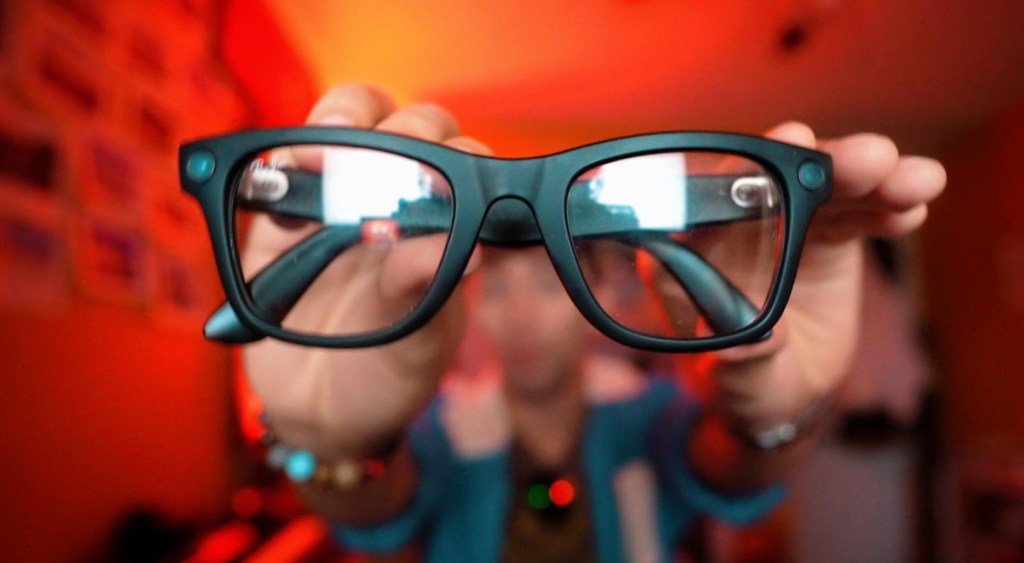
I’ve owned the Ray-Ban Meta Smart Glasses for over six months, and it’s time for an honest long-term review. Do I still think they’re worth it? Have they held up over time? What features stand out, and what issues have I run into? If you’re considering getting a pair, here’s everything you need to know.

👉 Check out the Ray-Ban Meta Smart Glasses here: Ray Ban Meta Glasses in multiple colors – Amazon (Affiliate link, supporting the content at no extra cost to you!)


🔥 What I Love About the Ray-Ban Meta Smart Glasses

These glasses have some incredible features that set them apart from anything else on the market. Here are the biggest standouts:

1. Five Microphones for Outstanding Call Quality

  • The built-in microphones in the bridge of the glasses provide crystal-clear audio.
  • Call quality is actually better than AirPods, according to people I’ve spoken with on video and audio calls.
  • Whether you’re in a busy street or a quiet room, voices come through incredibly clear.

2. Bone Conduction Audio – Listen to Music Without Earbuds

  • The bone conduction speakers allow you to listen to music while staying fully aware of your surroundings.
  • It’s a great alternative to AirPods, especially when walking in the city or working out.
  • You can hear everything around you, while still enjoying music, podcasts, or calls.

3. Built-in 1080p Camera for POV Recording

  • You can shoot 1080p vertical videos with just a tap on the side of the frame.
  • Initially, the glasses had a 60-second recording limit, but that has now been increased to 3 minutes.
  • This is perfect for capturing spontaneous moments without pulling out your phone.

4. Real-Time AI Assistant and Object Recognition

  • This feature blew my mind—the AI assistant can identify objects, translate text, and describe scenes.
  • Example: I asked, “Hey Meta, what’s this plant?” and it correctly identified a rosemary bush.
  • It can also translate foreign languages on signs, menus, and even conversations.

5. No Need to Pull Out Your Phone

  • Instead of taking 10+ steps to open an app on your phone, you can just ask Meta AI.
  • Whether you need directions, weather updates, or random trivia, it works like an upgraded Siri without needing a screen.

👎 What I Don’t Love About the Ray-Ban Meta Smart Glasses

As great as these glasses are, there are some downsides worth mentioning.

1. The 3-Minute Recording Limit

  • While it’s better than 60 seconds, I still wish there was no limit.
  • I get why it exists (overheating issues), but a future update or hardware upgrade would be great.

2. I Don’t Normally Wear Glasses

  • I got laser eye surgery years ago so I wouldn’t have to wear glasses.
  • That said, I still wear these regularly because the design is actually stylish.

3. The App Initially Had Transfer Issues (Now Fixed!)

  • When these first launched, you had to keep the app open to transfer videos.
  • That was annoying, but thankfully Meta fixed it—now you can close the app and still transfer media.

4. No Horizontal Video Mode

  • I love flexibility in filming—my phone and camera can easily switch between vertical and horizontal.
  • But these only record in vertical mode.
  • I wish they had an option to flip the orientation for landscape recording.

🎯 Who Are These Glasses Best For?

These aren’t for everyone, but they’re absolutely worth it for certain people.

If You Already Wear Glasses

  • Prescription lenses can be added, making these a powerful upgrade to normal glasses.
  • Price-wise, they cost about the same as regular glasses but with way more functionality.

If You Use AirPods Daily

  • These are only $100 more than AirPods Pro but offer better call quality and music playback.
  • No earbuds = better awareness of your surroundings.

If You’re a Creator or Love Capturing Moments

  • POV recording makes it easier to document experiences hands-free.
  • You don’t need to pull out your phone—just press a button and start recording.
  • Perfect for travel vlogs, action sports, and everyday memories.

If You Love Smart Tech and AI Assistants

  • The AI recognition and voice control features make these feel like the future of smart glasses.
  • Being able to identify objects, plants, and people just by looking at them is something straight out of sci-fi.

💪 Durability & Long-Term Wear

  • I’ve dropped these multiple times, and they still work perfectly.
  • They charge in the case, and battery life is excellent.
  • The design is sleek and stylish, with different models and colors available.

🚀 Final Verdict – Are They Still Worth It in 2025?

💯 YES, especially if you wear glasses or use AirPods often.
Even though I don’t normally wear glasses, I still use them every week.

What I’d Like to See in Future Versions:

Longer recording limits (or no limit at all)
Horizontal video mode for YouTube-style filming
Even more AI capabilities

If any of those features get added, these could become a must-have daily wearable for everyone.

👉 Check out the Ray-Ban Meta Smart Glasses here: Ray Ban Meta Glasses – Amazon (Affiliate link – helps support this content at no extra cost to you!)


Do you think smart glasses will replace phones one day? Let me know your thoughts! 🚀