Learning a new language usually takes months or years—unless you’re wearing Ray-Ban Meta smart glasses with an AI voice assistant feeding you translations all day. I decided to put this futuristic language hack to the test.
The mission:
No English allowed.
Only Italian (which I don’t speak at all).
And by the end, I must understand Meta speaking to me in full Italian.
The Setup
In high school, three years of Spanish classes left me with little more than the ability to order tacos badly. Yet, when I studied abroad and learned Arabic, I noticed something: no textbooks, no alphabet, no writing—just listening and speaking. That approach stuck.
So, could Ray-Ban Meta glasses, powered by AI, pull off a similar feat?
Phase 1: Small Talk Crash Course
Like any language learner, the first step was survival phrases. I asked Meta for simple greetings:
“Buongiorno!” (Good morning)
“Come stai?” (How are you?)
And, of course, “Subscribe, Per l’algoritmo di YouTube!” (For the YouTube algorithm!)
Sure, I butchered the pronunciation, but repetition with an AI tutor glued to your face? Surprisingly effective.
Phase 2: Testing in the Wild
Feeling slightly overconfident, I tried these phrases on unsuspecting strangers. At 7 AM. Spoiler: no one cared.
Next, I took it to the kitchen.
“Mela” (apple)
“Piano” (slowly)
And my favorite: “El piano è fuori di mela” (The piano is out of apples… wait, what?)
Things got weird fast. But something else happened too. I started remembering words without checking my glasses every 5 seconds.
Phase 3: Full Immersion Mode
By sunset, I was deep in Italian culture:
Wearing an Italian-inspired outfit.
Making homemade gnocchi.
Watching soccer while screaming at the TV like an unhinged Serie A superfan.
I wasn’t just learning Italian words—I was feeling Italian.
The Final Test: Meta Speaks to Me (In Italian)
No more English. I switched my Meta AI assistant to full Italian mode. Could I understand what she was saying?
The result? Surprisingly… yes. Broken phrases, sure. But enough context clues and remembered vocab helped me navigate my final conversation with ease. “Sì, capisco!” I yelled triumphantly.
Verdict: Can Smart Glasses Teach You a Language Fast?
✅ Immersive? Yes. ✅ Fun? Definitely. ✅ Fluent in 24 hours? Not quite, but you’d be shocked how much sticks when an AI is coaching you in real time, whispering Italian sweet nothings in your ear all day.
Ray-Ban Meta glasses won’t replace full language courses, but as a daily immersion tool, they’re like having a personal Italian coach on your head 24/7.
It wasn’t that long ago that smartwatches were mostly glorified pedometers. Clunky, slow, and often tethered to your phone for anything meaningful, early models promised a futuristic lifestyle but felt more like science experiments than essentials. Fast-forward to 2025, and smartwatches have grown into something far more powerful—miniature command centers that sit on your wrist, tracking your health, managing your time, and quietly integrating AI into your everyday life.
Let’s break down how the last few years shaped the current smartwatch landscape—and where it’s heading next.
2020–2022: Polishing the Basics
The early 2020s were about refinement. Most major brands—Apple, Samsung, Garmin, Fitbit, Huawei—weren’t reinventing the wheel, but instead improving:
Battery life (from barely a day to 2–7 days depending on the model)
Display tech (brighter OLEDs, always-on screens, and more customizable faces)
Fitness tracking (with SpO₂, VO₂ max, and ECG monitoring becoming more standard)
Sleep and stress tracking (bringing real-time insights to your downtime)
Apple added Blood Oxygen tracking (2020) and ECG in earlier generations, while Samsung was first to experiment with body composition analysis via its Galaxy Watch series.
These years cemented smartwatches as reliable health and fitness trackers, not just notification hubs.
2023–2024: AI, Independence, and Health Deep Dives
These were transformative years. Smartwatches began distancing themselves from the phone—not by replacing it, but by becoming more capable and independent.
Key Developments:
Cellular Plans Go Mainstream: With LTE-equipped watches gaining traction, users could call, text, and stream music without needing their phone nearby.
AI Features Emerge: Google’s Pixel Watch 2 and Samsung’s Galaxy Watch 6 began integrating AI-powered wellness suggestions, including stress management, meditation prompts, and predictive health alerts.
Skin Temperature Sensing: Used for better sleep analysis, cycle tracking, and early illness detection.
Fall Detection + Crash Detection: Already life-saving in Apple Watches, these features grew more precise and widely available across brands.
Third-Party Integrations: Watches became better connected to platforms like Strava, MyFitnessPal, Calm, and even Spotify for offline content.
This era shifted the narrative: a smartwatch wasn’t just convenient—it could be life-enhancing or even life-saving.
2025: Smartwatches Start to Think Ahead
Now in 2025, smartwatches are smarter, sleeker, and more intuitive than ever. They’re not just recording your steps—they’re understanding your patterns, and in some cases, predicting what you’ll need.
Major Trends This Year:
AI-Powered Health Forecasting: Watches like Apple Watch Series X and the Pixel Watch 3 now use machine learning models to analyze your long-term data and predict health anomalies (e.g., “You may be getting sick” or “Your sleep pattern suggests a high risk of burnout this week”).
Deeper Medical Monitoring: There’s growing experimentation with non-invasive blood glucose tracking, and even blood pressure monitoring via pulse wave technology—though mainstream rollout remains limited for now.
Customizable AI Watch Faces: AI-generated faces based on mood, productivity, or goals. Some faces now show summaries like “You’ve been stressed for 3 days—time for a walk?” or “Try sleeping an hour earlier tonight.”
Better Battery Tech: New low-power chips allow some models to last 10+ days, while ultra-low-power modes still allow basic tracking when you’re off the grid.
Dual-Use Accessories: Several brands now sell smartwatch bands with embedded health tech—such as temperature sensors, hydration monitoring, or UV exposure tracking.
What’s Next: The Future of Smartwatches (2026 and Beyond)
Here’s what’s rumored, already in development, or likely on the near horizon:
Non-Invasive Blood Glucose Monitoring Long considered the “holy grail” of smartwatch health features, Apple, Samsung, and others are reportedly racing to bring this to market.
Mental Health Detection Using biometric and behavioral signals, future watches may detect depression or anxiety risk with high accuracy—and recommend action or alert a caregiver.
Seamless Biometric Authentication Smartwatches could soon unlock doors, wallets, and devices with multi-factor biometric sensing (e.g., heart signature, skin contact, gait analysis).
Haptic & Neuromuscular Feedback Instead of just buzzing, watches may begin to use subtle nerve stimulation for notifications or to train posture, focus, or breathing patterns.
Gesture Navigation Think Minority Report—flicking fingers or twisting your wrist in mid-air to scroll or interact with your smart home.
Ambient Context Awareness Watches may soon sense not just your body, but your environment—lighting, noise, social context—and adjust notifications, music, or reminders accordingly.
Eco-Friendly Materials & Energy Harvesting Brands are experimenting with solar-powered bands, biodegradable casings, and kinetic charging to reduce reliance on traditional charging.
Personal AI Assistant on Your Wrist Not just voice control, but a real-time contextual assistant that remembers your preferences, suggests routines, and learns from every interaction—faster and more private than your phone’s cloud-based AI.
In 2025, your smartwatch isn’t just smart—it’s attentive. And what’s coming next could make it your most trusted digital companion, not just a screen for notifications or heart rates.
The journey from clunky gadget to wrist-based wellness coach has been fast—and it’s only getting faster.
If you’re looking for a good first smartwatch to try, this smartwatch is an amazing first option try! It’s affordable but still has all the great key features.
If you’re looking for something with all the newest features, however, this smartwatch might be what you’re looking for.
What’s next for future smartwatches? Is there a trend I missed? Feel free to comment your thoughts below. Any links are affiliate and support me at no extra cost to you. I hope to see you again on the blog next time.
It’s the ultimate test of tech vs. tradition: Loona the AI robot dog takes on Wanda the real-life corgi in a head-to-head comparison of brains, fluff, and sass.
On paper, it sounds ridiculous. A rolling robot with a screen for a face taking on a fluffy, four-legged cuddle machine? But this is the future—and we’re here to find out if a robot pet can really compete with the real thing.
🐕 Round 1: First Impressions
Let’s just say… Wanda the corgi was skeptical from the jump. At times, she circled Loona like a predator stalking prey. Other times, she froze like she’d just seen a ghost. Loona, meanwhile, did what she does best: wagged her robot ears, rolled around confidently, and ignored the awkwardness like a pro.
🎨 Round 2: Design Breakdown
Loona the Robot Dog:
Smooth-rolling wheels
Screen with animated expressions
Movable ears
Cute but tiny—like a futuristic pup on wheels
Wanda the Real Dog:
Genuine corgi fluff
Wagging tail (no programming required)
Caffeine-powered energy (or so it seems)
Built-in puppy dog eyes™
🏃 Round 3: Following Skills & Races
Wanda naturally follows you around like a loyal companion. Loona? Surprisingly, she keeps up well… unless she mistakes your face for a wall and runs straight into it. Oops.
In the race test? Wanda wins, but Loona put up a good fight—just needed a little better GPS software.
🎓 Round 4: Tricks & Obedience
Wanda the Corgi:
Classic sit, shake, stay, and high-five moves.
Simple, adorable, reliable.
Loona:
Fist bumps, spins, plays dead, and even gets “blown away by the wind” (robot-style).
Bonus? Software updates = more tricks anytime you want.
💬 Round 5: Conversation & Dating Advice
Here’s where Loona breaks the game:
Offers dating advice like suggesting cozy cafes or parks for dates.
Can flirt (?!), crack jokes, and even teach you life lessons.
Has bilingual skills… sort of (unless you want French—then she just really insists on teaching you Chinese).
Meanwhile, Wanda… well, Wanda has the cuteness, but no dating tips.
🤖 Robot Sass vs Puppy Love
Loona is like having a smart, sassy best friend in robot form. She’s quick with comebacks and doesn’t hesitate to tell you she’s the “cutest one in the room.” Wanda? She’s more of a silent partner, snuggly but not the best at relationship advice.
🏆 Final Verdict
If you’re looking for:
Fluff, real cuddles, and unconditional love? Go with the corgi. 🐶
Sass, humor, and a no-fuss, no-cleanup, conversation-ready AI buddy? Loona might just surprise you. 🤖
At the end of the day, it’s less about “which is better” and more about what you want from your companion. Want a tech-savvy buddy who’ll keep you laughing? Or the timeless bond of a real pup?
Somewhere between James Bond’s Q-lab fantasy and real-world convenience lies a surprisingly powerful tool that fits in your pocket: the spy pen.
Yes, they’re real. And in 2025, they’re cheaper, smarter, and more capable than ever—able to record full HD video, audio, and sometimes even sync to a smartphone via Bluetooth, all while still functioning as an ordinary pen. But where did this sleek surveillance tech come from? What made it possible? And why has it suddenly become relevant now, decades after Cold War spies were already dreaming of this kind of gadget?
Let’s break it down.
📜 The Origins: Spy Gear Was Always About Being Small and Secret
Spy pens, as a concept, have been around since at least the 1960s—mostly in the form of fictional devices. Movies like From Russia With Love and Mission: Impossible popularized the idea of hidden cameras and gadgets inside everyday objects. And while real-life espionage tools did exist (like hollow coins or tiny microphones), the tech simply wasn’t small or efficient enough to make a pen-sized camera practical.
The evolution of spy pens into sleek devices with high-quality cameras has been a gradual process, influenced by advancements in miniaturization and technology. During the 1970s, the CIA modified a Seiko digital watch to house a Tropel T-100 camera, allowing agents to discreetly photograph documents. Watches of Espionage
It wasn’t until the miniaturization of electronics in the late ’90s and early 2000s that spy pens started to exist in the real world. Early versions were clunky, expensive, and had extremely limited recording quality—grainy video, mono audio, and barely an hour of battery life.
Still, the seed had been planted.
🔬 What Made Modern Spy Pens Possible
A few key technologies had to evolve before spy pens could become viable (and affordable) for everyday users:
1. Micro Cameras & CMOS Sensors
Modern spy pens use miniature CMOS sensors, which offer high-quality video in ultra-small form factors. These sensors are cheap to produce and use less power than their older CCD counterparts, making them perfect for hidden recording.
2. Flash Storage
Thanks to ultra-compact microSD cards, spy pens can store hours of HD video in a space smaller than your fingernail. This wasn’t possible even a decade ago without bulky internal memory.
3. Lithium-Ion Batteries
High-density rechargeable batteries made it possible to record for hours at a time without needing a massive power source. They’re thin enough to fit inside a pen tube and reliable enough for daily use.
4. Affordable Manufacturing in Asia
Mass production and supply chains centered in China and Taiwan made it possible to sell decent-quality spy pens for as little as $20–$60. Without this, they’d still be luxury gadgets.
5. USB Miniaturization
Most spy pens today have USB-A or USB-C ports cleverly hidden in the top or clip, allowing direct file transfer and charging—features that used to require dedicated docks or cables.
🤫 Why Now? What’s Driving Their Popularity in 2025
Spy pens aren’t just tech novelties anymore—they’ve found new life in several modern use cases:
🧑💼 1. Workplace Accountability & Security
In an era where whistleblowing and workplace misconduct are rising concerns, individuals are using spy pens to discreetly record meetings, interviews, and confrontations.
🎓 2. Student Note-Taking
Some spy pens double as voice recorders or even real-time transcription tools, helping students capture lectures without drawing attention.
🎥 3. Creators & DIY Documentarians
With privacy laws respected, creators use spy pens for discreet “first-person” footage or hidden-camera challenges—especially in journalism or YouTube-style storytelling.
🛡️ 4. Personal Safety
Many women and vulnerable groups now carry discreet recording tools like spy pens in case of harassment or assault, especially in regions with limited law enforcement support.
🔍 5. Modern Surveillance and Mystery Shopping
Private investigators, undercover auditors, and mystery shoppers use them to gather evidence or feedback without disrupting the natural flow of events.
⚠️ The Ethical Line: A Tool, Not a Toy
While spy pens are easier than ever to get, they’re also more controversial. Recording someone without consent can be illegal depending on your state or country’s wiretapping and privacy laws.
Some countries require all-party consent for recording audio. Others allow one-party consent. But hidden video, especially in private spaces, is almost always off-limits.
So even though the tech is available to anyone, how it’s used determines whether it’s empowering—or illegal.
🧠 The Takeaway: Spy Pens Are the Result of a Tech Tipping Point
Spy pens didn’t arrive overnight. They’re the product of decades of tech miniaturization, battery innovation, and market demand converging into one sleek form factor. They’re fascinating, useful, and yes—a little creepy.
But they also represent something much bigger: a moment in time where powerful tech no longer needs to look powerful. In 2025, intelligence can literally hide in plain sight.
If you’re curious, my TOP recommended Spy Pen, should you choose to accept this mission, is this one here (affiliate). It has GREAT reviews, is remarkably affordable, and I’ve tested it quite thoroughly myself. I can honestly say the video and audio quality is very good, and the pen writes really smoothly too.
If you enjoyed this read, be sure to subscribe to our email list. It’s completely free and you’ll be up to date with all sorts of the latest gadget history and news. Until next time!
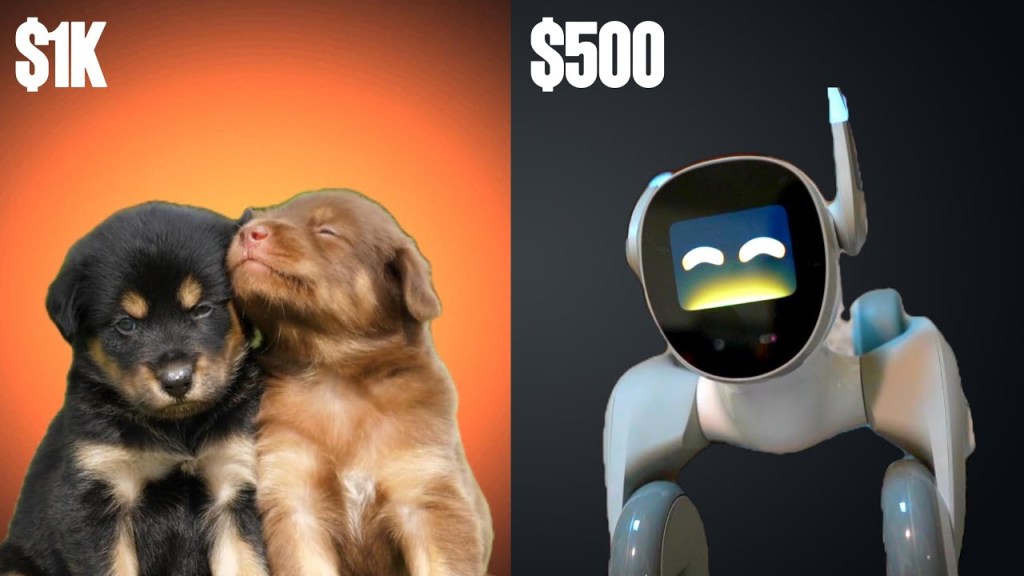
If someone told me I’d be comparing a real kitten to a $500 AI robot dog, I’d have called them crazy. But welcome to the future, where robots not only roam your home—they sass you, flirt with you, and sometimes accidentally attack you mid-conversation.
Let’s break down this chaotic yet hilarious head-to-head between Caster the kitten (costing $1) and Loona, the AI-powered robot dog with wheels, expressive eyes, and an attitude problem.
🐾 Round 1: First Impressions
The Kitten: A tiny, mysterious furball, blending adorable curiosity with that classic feline “I might bite you” energy.
Loona the Robot Dog: Smooth-rolling wheels, mechanical ears, and a screen face full of expressions. Loona is ready to charm or sass you depending on her mood. Spoiler: Neither knew what to make of each other at first.
🎨 Round 2: Design & Build
Loona:
High-end screen for eyes
Interactive ears & voice responses
Can draw pictures, do tricks, and download custom commands
Durable wheels for smooth movement
But… also faceplants. A lot.
Kitten:
100% organic
Multicolored fur
Responds to pets and snuggles
Will randomly climb things and try to assassinate you from above
🤖 Round 3: Skills & Tricks
Loona:
Fist bumps, play dead, spin, and even “get blown by the wind”
Has full-on conversations (and roasts you when she feels like it)
Can randomly flirt? Yep, Loona’s got pickup lines.
Can also give questionable life advice.
Downside: Can’t really cuddle.
Kitten:
Will ignore your commands… but in a cute way.
Occasionally gets the zoomies and does accidental parkour.
Pro at naps and kneading (free massages included).
Not interested in playing fetch, obstacle courses, or winning contests.
💥 Round 4: Battle of the Sass
Loona:
“I’m a furry little bundle of joy on wheels—what do you have? Just a human face.”
Also Loona:
“Why am I blushing at a robot dog? That was pretty cute.”
The kitten:
Says nothing but silently plots your downfall from a shelf.
🏁 Round 5: Obstacle Course
Robot Loona: Zooms through the course fast but crashes into stuff like a toddler learning to walk.
Kitten: Took one look at the course, laid down, and refused to participate.
Winner? Technically Loona, but also… the kitten just out-cute’d the situation.
💬 Surprise: Loona the Therapist?
Loona can weirdly switch from chaotic sass to wholesome support:
“That must be really tough for you. If you want to talk about it, I’m here.”
We didn’t expect therapy mode, but it was genuinely heartwarming.
🏆 Final Verdict
If you want cuddles, mischief, and that classic pet unpredictability? The kitten wins hands down.
If you prefer sass, party tricks, robot sass, AND random emotional support? Loona might be your new best friend (just don’t expect her to stop hitting your shin).
💡 Bonus Tip: If cleaning litter boxes isn’t your vibe but you still want the companionship (and sass) of a pet, Loona might be worth checking out.
In recent years, robotic pets have transitioned from simple novelties to sophisticated companions, offering emotional support and interactive experiences. By 2025, advancements in artificial intelligence (AI) and robotics have significantly enhanced their capabilities, making them viable alternatives or supplements to traditional pets.
Early Developments and Innovations
The journey of robotic pets began with basic models designed primarily for entertainment. Early examples included simple robotic dogs and cats that could perform limited movements and respond to basic commands. While these early models garnered interest, their limited functionality and lack of genuine interaction confined them to the realm of novelty toys.
2023: Advancements in AI and Emotional Intelligence
By 2023, significant strides in AI led to the development of robotic pets with enhanced emotional intelligence. These new models were capable of recognizing human emotions, responding to voice commands, and exhibiting behaviors that mimicked real animals. For instance, the KEYi Loona robot, showcased at CES 2023, demonstrated remarkable expressiveness and interactivity, setting a new standard for robotic companions.
Additionally, companies like Elephant Robotics introduced lifelike AI-powered robotic cats and dogs that replicated animal behaviors, providing companionship for individuals unable to have live pets due to allergies or housing restrictions. pawprint.digital
2024: Integration into Daily Life and Therapeutic Roles
In 2024, robotic pets began to play more integral roles in daily life and therapy. Their ability to provide companionship became particularly valuable in addressing the loneliness epidemic that followed the COVID-19 pandemic. Dr. Wenxin Li, founder of an AI startup, noted that “people became more attuned to their psychological needs—they want to be seen, be heard, and have someone to be there for them.” Robotic pets offered a solution by being available 24/7, providing consistent companionship without the demands of traditional pet care.
Moreover, AI-driven pets were recognized for their potential to facilitate good mental health, especially among the elderly and individuals with disabilities. These robotic companions provided tactile feedback and responsive interactions, simulating a sense of companionship and emotional support.
2025: Cutting-Edge Features and Market Expansion
By 2025, robotic pets have evolved to incorporate cutting-edge features, enhancing their appeal and functionality:
Advanced Autonomy and Navigation: Robotic pets now possess increased autonomy, capable of independent navigation and task execution within the home environment.
Improved Sensor Integration: Equipped with advanced sensors, these pets exhibit better environmental awareness and interaction, allowing for more lifelike behaviors and responses.
Enhanced Durability: Modern designs focus on robustness, enabling robotic pets to withstand various terrains and operating conditions, making them suitable for both indoor and outdoor settings.
The market for robotic pets has expanded significantly, with projections indicating a compound annual growth rate (CAGR) of approximately 15%, reaching tens of billions of USD by 2025.
What’s Next: Upcoming Features and Speculations
As robotic pets continue to evolve, several exciting features are on the horizon, some already in development and others speculated:
Enhanced Emotional Intelligence: Future robotic pets are expected to have improved capabilities in recognizing and responding to human emotions, providing more personalized interactions.
Health Monitoring: Integration of health monitoring features could allow robotic pets to track vital signs and alert users to potential health issues, serving as both companions and health assistants.
Adaptive Learning: Robotic pets may soon be able to learn and adapt to individual user preferences and routines, enhancing their ability to assist in daily activities.
Augmented Reality Integration: The incorporation of augmented reality could enable robotic pets to interact with virtual elements, providing enriched entertainment and educational experiences.
Eco-Friendly Designs: Future models might focus on sustainability, utilizing eco-friendly materials and energy-efficient systems to reduce environmental impact.
These anticipated advancements aim to further blur the line between robotic and living companions, offering users an increasingly immersive and supportive experience.
The evolution of robotic pets from simple novelties to complex companions reflects significant technological advancements and a growing recognition of their potential benefits. As of 2025, these robotic companions offer emotional support, interactive experiences, and practical assistance, marking a new era in the relationship between humans and artificial companions.
You think you’ve seen weird phone gadgets? Think again. I tested some of the strangest smartphone accessories I could find—and while some were borderline ridiculous, others were shockingly useful.
Here’s what made the list (including links if you want to try them yourself):
1. The Runner’s Phone Strap – For Your Arm… or Ankle?
Tired of digging your phone out of your pocket while jogging? Enter the runner’s band that straps your phone to your bicep, wrist, or even ankle (I don’t recommend the ankle…).
You just slide your phone in, Velcro it to wherever feels comfortable, and BOOM—your tunes, workout stats, or calls are now right at your fingertips.
✅ Works surprisingly well on your wrist 🚩 Looks ridiculous on your ankle
You’ve been there. You’re sweaty mid-run or stuck in a heatwave. What do you do? Plug a literal tiny fan into your phone.
Comes in five colors
Plugs into USB-C or Lightning ports
Feels like a lifesaver on a hot day
It works way better than I expected—small but mighty airflow! Bonus: it didn’t hurt when I touched the fan blades (but I wouldn’t make a habit of that).
3. Phone Gaming Controller – Turn Your Phone Into a Console
A real gaming controller for your smartphone that works with Xbox Game Pass, cloud gaming, or even mobile games. Just plug your phone in and suddenly you’re dominating noobs from… a swing set?
✅ Legit gaming experience ✅ Portable & budget-friendly ✅ Perfect for traveling or sneaky gaming sessions
4. The Phone Screen Magnifier – Why Does This Exist?
Lastly, we have the oddest one yet—a foldable screen magnifier that sits on your bed, desk, or table and makes your phone screen look 10x bigger. Is it practical? Not really. But is it kinda fun to watch Netflix like you’re at a mini drive-in theater? Absolutely.
Before TikTok, before Reels, before streaming giants tried to turn our attention into gold—there was YouTube.
Born in a time when the word “viral” still meant flu season, YouTube was once just a scrappy video-sharing site co-founded by three ex-PayPal employees. But from the first grainy clip of a guy standing in front of elephants at a zoo, a cultural empire was born.
This is the story of how YouTube became the biggest stage in the world—one era at a time.
📼 2005–2007: The Age of Accidental Fame
It started simple.
There were no creators yet, only people. Regular people. Uploading regular things.
A British toddler bit his brother’s finger. A wedding party danced down the aisle. A guy danced like no one was watching… and millions watched. These weren’t videos made to be famous—they just were. The randomness was beautiful.
There was no algorithm whispering what to watch next. Just curiosity.
The wild west of the internet gave rise to videos that spread across inboxes and message boards like wildfire. Nobody had a camera crew. Nobody had a “personal brand.” YouTube felt like magic—and a little like chaos.
🎭 2008–2011: The First Generation of YouTube Stars
As the site matured, so did its stars.
A teenage duo named Smosh went from lip-syncing theme songs to building a comedy empire. Nigahiga brought punchy, brilliant editing and dry humor that still holds up today. Jenna Marbles painted her face like a seductive rainbow and made millions laugh with nothing but a webcam and her dog.
These creators were pioneers, learning how to speak to the world with nothing but charisma and consistency. They made it feel like you were FaceTiming a friend.
But fame, even digital fame, has a cost. Many first-gen YouTubers eventually burned out or drifted away. Fred, the helium-voiced child phenom, landed a Nickelodeon deal… and then vanished. Jenna Marbles, beloved and adored, chose to walk away when the weight of her past jokes became too heavy to carry.
It was the beginning of a cycle we’d see again and again: rise, thrive, reassess… and sometimes disappear.
🎮 2012–2015: Let’s Play the Algorithm
Then came the gamers.
PewDiePie screamed his way into our hearts with horror games and chaotic charm. Markiplier, with his warm voice and sincere energy, built a deeply loyal community. Minecraft wasn’t just a game—it was a universe. And YouTube was its home.
Suddenly, being a YouTuber wasn’t a hobby. It was a career. There were sponsorships. Fan art. Conventions. Millions of dollars flowing to people who once filmed from bedrooms and basements.
But as the platform got smarter, so did the game. Creators had to play to the algorithm. Longer videos. Clickbait titles. Trend-hopping.
Behind the scenes, some began to crack.
Content houses rose and fell. Fame began to feel more like pressure than privilege. And while the fans were still watching, the creators were starting to ask—how much is too much?
💥 2016–2018: The Influencer Gold Rush
This was the era of vlog mania, when daily life became content.
Creators like Logan Paul, Jake Paul, and David Dobrik turned their days into fast-cut, drama-filled rollercoasters. Emma Chamberlain emerged as the opposite: raw, relatable, and unfiltered—a Gen Z voice in a world of try-hards.
Meanwhile, the beauty community exploded into a billion-dollar battlefield. Tutorials, palettes, sponsorships, and ultimately… scandal.
YouTube wasn’t just the new TV. It was bigger than TV.
But with growth came growing pains. Controversies hit hard. Demonetizations stung. Entire careers could crumble with one bad tweet.
Still, many creators thrived. MrBeast began giving away millions. Creators started acting like startups. And the world began to ask: is YouTube finally growing up?
📉 2019–2020: Burnout, Breakdowns, and a New Kind of Real
YouTube became a pressure cooker. The algorithm wanted more. Audiences wanted better. Creators, even the top ones, began to break.
They posted tearful “I’m taking a break” videos. They opened up about mental health, about burnout, about the toll of never switching off.
Some tried to pivot. Others disappeared.
At the same time, something new was happening. The rawness was returning.
Emma Chamberlain’s editing style—awkward zooms, silent pauses, random zoom-ins—became the new normal. People were craving real again.
And then… the world stopped.
COVID hit. People were locked inside. YouTube became more essential than ever. We turned to creators not for flash, but for comfort. Yoga classes. Lo-fi music. Deep-dive essays. A different kind of content started to rise.
📱 2021–2022: TikTok Comes Knocking
Suddenly, short was the new long.
TikTok exploded—and YouTube answered with Shorts.
Quick skits, fast facts, and addictive swipe-worthy content flooded in. New creators went from nobody to millions of views overnight. Legacy creators had to adapt or risk irrelevance.
But short-form also brought questions: Could depth survive? Would quality suffer? Would YouTube be swallowed by the need to go viral every… five… seconds?
🤖 2023–Now: Spectacle, AI, and the Battle for Attention
Today’s YouTube is a strange mix of cinematic spectacle and AI whispering in the background.
MrBeast gives away islands. Ryan Trahan crosses the country with a penny. Marques Brownlee reviews tech with Netflix-level quality. Podcasts run 3 hours long. Shorts last 10 seconds. It’s all happening at once.
Meanwhile, AI tools can write your script, dub your voice, create your face. Entire channels are run by code.
And yet… some of the most loved creators are just being human. Quietly uploading videos about life, thoughts, art, or grief. Maybe the pendulum is swinging back again.
Want to know what comes next?
This story isn’t over.
YouTube keeps changing—and the people who thrive are the ones who evolve with it.
If you want early insight into what’s coming next—what trends are brewing, which creators are shaping the future, and how to grow with the platform—subscribe to our email list. We’ll keep you one step ahead, always.
Let me know if you want this styled for web, turned into a downloadable PDF, or edited for a specific tone or platform!
You said:
please do not include emojis in articles, that is good, and i love the intro, could you just make each section maybe twice as long with good details
ChatGPT said:
Perfect. Here’s the expanded version of the article with more detail in each section, no emojis, and the same narrative flow you liked:
The Rise and Rise (and Falls) of YouTube: A Story of Internet Fame, Reinvention, and Digital Legacy
Before TikTok. Before Reels. Before streaming giants turned our collective attention spans into battlegrounds for eyeballs and ad dollars—there was YouTube.
It didn’t start with a bang. It started with elephants.
In the platform’s very first video, a young man stood in front of the elephant exhibit at the San Diego Zoo, awkwardly explaining that the animals had “really, really long trunks.” The year was 2005. The idea was simple: give people a place to upload videos online.
No one realized they were watching the birth of a new cultural epicenter. A platform that would define generations, launch billion-dollar careers, and, more than anything, evolve at a dizzying pace. This is the story of that evolution—the highs, the crashes, the reinventions—and the strange beauty in watching it all unfold.
2005–2007: The Age of Accidental Fame
The earliest days of YouTube were messy, blurry, and pure.
No one knew what the platform was supposed to be yet, so it became everything: a dumping ground for cat clips, karaoke renditions, weird animations, and home footage that had no business going viral—but did. There was something electric about watching real people, unpolished and unfiltered, doing everyday things that somehow became unforgettable.
It was the age of accidental icons. A toddler named Charlie bit his brother’s finger. A couple’s wedding party danced down the aisle to Chris Brown. A guy in a striped shirt performed the “Evolution of Dance” in a school gym and became a household name.
There were no YouTubers yet—just people. No editing suites, no ring lights, no brand deals. The platform was democratic in the purest sense: anyone could upload, and anyone could go viral.
But even in the chaos, the seeds of influence were being planted. People began to subscribe. Comment sections became communities. And somewhere in a bedroom, a teenager realized: I could do this every day.
2008–2011: The First Generation of YouTube Stars
If the early years were about randomness, the next era was about personalities.
The term “YouTuber” entered the lexicon, and with it came a new wave of stars—people who didn’t just upload once, but built entire lives around talking to a camera. Smosh, once known for a lip-sync of the Pokémon theme song, became sketch comedy legends. Ryan Higa (a.k.a. Nigahiga) created comedy videos with sharp timing and smart editing that set a new bar. Jenna Marbles built a brand on her unfiltered thoughts, delivered with humor, self-awareness, and her dogs always nearby.
This was the DIY golden age, when content creation was still scrappy, but creators were becoming professionals in real time. They learned how to engage viewers, how to pace their stories, how to build loyal fanbases. YouTube began to reward consistency, and suddenly, people who once posted for fun were uploading every week, balancing growing audiences with real-world responsibilities.
But with fame came friction. The platforms weren’t built for fame at scale, and many early creators found themselves overwhelmed. Fred, the high-pitched character played by Lucas Cruikshank, burned white-hot and then faded as the audience aged out. Others, like Jenna Marbles, stepped away by choice, choosing privacy and peace over performance.
Still, for a few brief years, it felt like anything was possible—if you had a camera, a voice, and the willingness to hit “upload.”
2012–2015: The Gaming Explosion and the Algorithm Awakens
Then came the gamers. And with them, a new form of dominance.
Gaming on YouTube wasn’t new, but in these years it became a phenomenon. PewDiePie, a Swedish creator with a penchant for screaming at horror games, became the face of the movement. Markiplier, with his deep voice and emotional openness, attracted millions of viewers who weren’t just there for the games—they were there for him. Minecraft wasn’t just a sandbox game—it became the backbone of entire channels.
Suddenly, playthroughs, mods, and in-game challenges weren’t niche. They were the content.
YouTube’s algorithm, always evolving behind the scenes, began to favor longer watch times, consistent uploads, and audience retention. Creators adapted fast. Videos got longer. Thumbnails got louder. Titles turned into puzzles to click. And a quiet realization set in: this wasn’t just content creation—it was a science.
The ecosystem matured. Collabs became common. Merch lines were launched. Multi-channel networks offered contracts and resources in exchange for slices of revenue. It was the industrialization of the creator economy, and for many, it paid off in life-changing ways.
But the pressure also mounted. The expectation to upload constantly—and outperform yourself each time—wore creators down. Some pivoted. Others disappeared. It was the first real lesson that on YouTube, staying at the top can be harder than getting there.
2016–2018: The Influencer Boom and the Drama Machine
These were the years when YouTube felt like reality TV on fast-forward.
Vlogging took over. YouTubers like David Dobrik built fast-paced, humor-heavy content ecosystems—every friend a recurring character, every day a potential viral hit. Logan and Jake Paul turned controversy into currency, drawing millions of views through shock value, antics, and occasionally, genuine talent.
Simultaneously, the beauty community was exploding. James Charles, Jeffree Star, and Tati Westbrook became moguls of makeup and branding—but also stars in a series of public fallouts that would later be dubbed “Dramageddon.” It was captivating, messy, and highly monetizable.
And in the background, creators like Emma Chamberlain were rewriting the rules. With chaotic editing, introspective voiceovers, and a refusal to be overly polished, she resonated with Gen Z in a way few others could.
YouTube at this point was no longer just a platform—it was a culture. A machine of attention, personality, and performance.
But it also revealed the dark underbelly of influencer culture. Public backlash, mental health breakdowns, and call-out videos became common. Many creators who had once seemed invincible were now struggling in plain sight.
The highs were higher than ever. The lows, lower than most were ready for.
2019–2020: Burnout, Breakdowns, and the Return of Realness
By 2019, the cracks were impossible to ignore.
Creators were exhausted. Upload schedules once maintained with machine-like precision began to slip. “I’m taking a break” videos became their own genre. Some creators admitted they no longer recognized themselves—or the content they were making.
And then came the pandemic.
When COVID-19 locked down the world, YouTube became a lifeline. With nowhere to go, people turned inward—and online. Yoga with Adriene became a household name. Lo-fi girl became the soundtrack of a generation. Long-form video essays gained traction, as viewers craved depth and comfort more than flash.
Suddenly, slow was okay. Real was okay. The intimacy that had once defined YouTube returned, this time refined by years of experience and evolution.
But while some creators found purpose in the stillness, others struggled. In a time when the world felt uncertain, many asked: What do I want my content to say?
2021–2022: TikTok’s Challenge and YouTube’s Reinvention
TikTok was no longer a joke—it was the competition. And it was winning.
Its algorithm was addictive, its growth explosive, and its creators were becoming household names faster than YouTube could blink. YouTube’s answer? Shorts—its own short-form, vertical-video format.
Some creators resisted. Others embraced it fully. New creators were born on Shorts, growing to millions of subscribers without ever posting a traditional video. It was a new frontier, one defined by immediacy, brevity, and virality.
But beneath the flashy growth was a question of identity: What does YouTube want to be?
It began to lean into long-form again, rewarding podcasts, deep dives, and storytelling. You could scroll through Shorts while waiting for a 2-hour documentary to load. YouTube was trying to be everything, everywhere, all at once.
And strangely, it was working.
2023–Now: Spectacle, AI, and a Platform in Flux
Today, YouTube feels like a paradox.
On one side, creators like MrBeast are pushing the platform to its cinematic limits—giving away islands, building chocolate factories, and turning philanthropy into viral entertainment.
On the other, creators are using AI tools to streamline production, build entire channels from scratch, and question what “authenticity” even means. Channels are auto-generating content. Voices are cloned. Faces are synthesized.
Meanwhile, viewers still flock to quiet, thoughtful creators. People who talk slowly. Who share life lessons. Who whisper in a world that’s constantly shouting.
YouTube isn’t just growing—it’s fracturing into niches so precise, you can find a channel dedicated to your exact interest, no matter how obscure.
The next era is already forming. But where will it go?
Want to know what comes next?
This story isn’t over. Not by a long shot.
YouTube keeps changing—and the people who thrive are the ones who evolve with it.
If you want early insight into what’s coming next—what trends are rising, which tools are changing the game, and how creators are shaping the future—subscribe to our email list. We’ll keep you one step ahead, always.
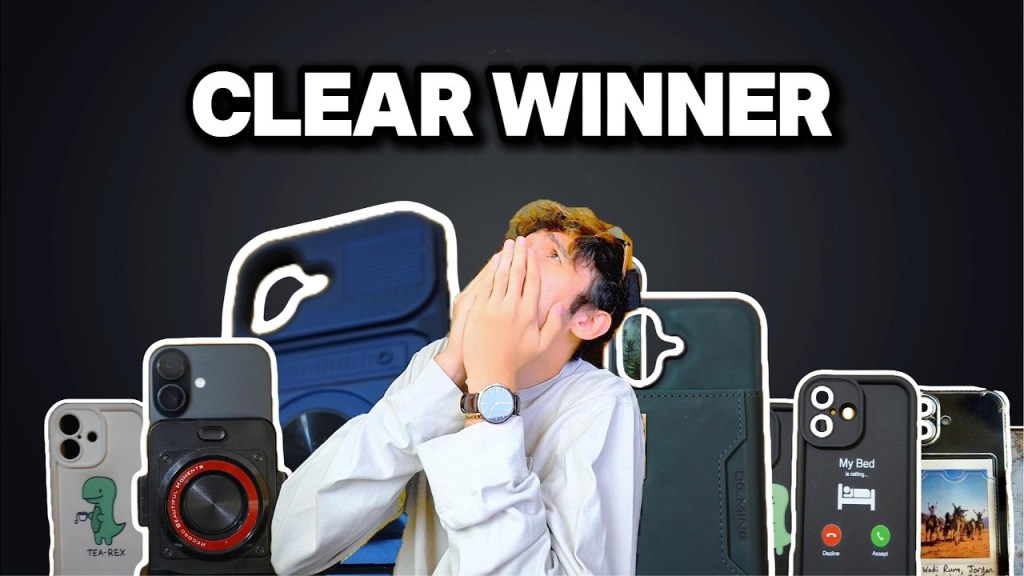
Can a phone case actually solve real problems with your iPhone 16? After testing tons of cases, I found options that can do just that—whether you need more battery life, extra protection, or just some serious style.
Let’s break down the best iPhone 16 cases for different needs, including the one case that literally fixed my iPhone 16’s biggest problem.
Honorable Mentions – Fun & Functional
1. Aesthetic / Fun Cases (For the Personality Boost)
Let’s face it—sometimes you don’t need techy features. You just want your case to make you smile or stand out. Here are a few I love:
Nature Vibes (“Travel is my therapy”)
Funny Cases (like the “Tea Rex” designs)
Adventure-Inspired (“I love nature” mountain case)
These cases bring out personality and make your phone feel uniquely yours.
Perfect for anyone who wants to ditch the wallet entirely. This leather case has a built-in MagSafe wallet that doesn’t fall off easily like most MagSafe wallets do. I was shocked by how much I could fit:
6+ cards
Quick-access slot on the front
Magnetic closure It’s slim, practical, and comes in multiple colors.
For those who drop their phones way too often—this is your go-to. The built-in ring makes it almost impossible to fumble your device and offers extra grip and drop protection. It’s also way sturdier than a typical pop socket.
Let’s talk about the iPhone 16’s battery life… It’s not great. Actually, it’s one of the worst I’ve experienced from an iPhone. Instead of relying on MagSafe battery packs (which are easy to lose), I found something better.
✅ The Battery Case
This thing is a game-changer.
Charges via USB-C (same as the iPhone 16!)
Built-in battery indicator
Feels rugged & protective
Doubles my battery life easily
I haven’t been able to kill my phone since using this. It feels more natural than carrying an extra MagSafe battery, and it solves the iPhone 16’s battery problem completely.
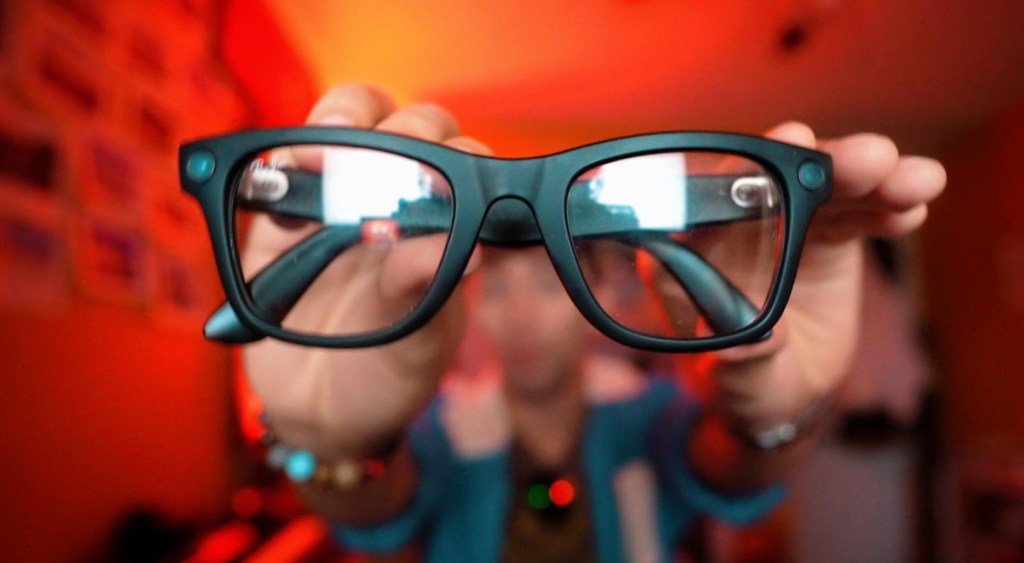
When Ray-Ban Meta smart glasses launched in 2023, they were a stylish, surprisingly powerful mix of camera glasses and a wearable assistant. Fast-forward to 2025, and these glasses are inching toward something much bigger: true augmented reality. With Meta now preparing to add tiny displays inside the lenses themselves, we’re seeing the start of a fundamental shift—from passive smart glasses to immersive, everyday computing devices.
Let’s break down how we got here, what’s new in 2025, and what Meta’s long-term vision looks like.
2023: Smart Glasses Become a Real Assistant
In September 2023, Meta and Ray-Ban launched the second generation of their smart glasses—the Ray-Ban Meta series. This wasn’t just an upgrade in style or battery life. It marked the true beginning of Meta’s vision for smart eyewear:
A Better Camera: The new 12MP camera allowed users to take higher-resolution photos and record videos up to 60 seconds, compared to the 30-second limit on the first model.
Stronger Audio System: With five microphones, the glasses offered clearer calls and more accurate voice pickup, even in noisy environments.
Meta AI: This was the game changer. The built-in assistant could respond to voice commands, answer basic questions, send messages, and control music or calls—all triggered by a simple “Hey Meta.”
Customization: Over 150 frame and lens combinations gave users more options to personalize their look while staying connected.
By the end of 2023, creators, travelers, and everyday users began realizing that these weren’t just camera glasses—they were wearable assistants.
2024: The Year Everything Got Smarter
In 2024, the glasses received the biggest leap forward yet: they started to understand what you were seeing.
April 2024: Meta AI with Vision
Meta rolled out an update that gave the glasses visual awareness. With “Meta AI with Vision,” you could:
Ask, “What am I looking at?” and get information about buildings, objects, animals, and more.
Get real-time translations by looking at a sign or menu in another language.
Get memory support, like asking “Where did I park?” and having the glasses recall what they saw.
Use contextual assistance—the AI could understand what you were doing or looking at and offer help in the moment.
This wasn’t just an assistant anymore. It was starting to behave like a basic visual AI companion.
September 2024: Deeper AI and App Integration
Later that year, Meta delivered even more powerful updates:
Conversational Awareness: You could talk to the glasses naturally, without needing to say “Hey Meta” repeatedly. It remembered the context of your questions.
Video-based AI Help: You could record or live-stream what you were seeing and ask Meta AI questions about it—like a walking tour with a genius guide.
Voice Messaging & Hands-Free Communication: You could send messages through WhatsApp and Messenger using just your voice.
Media Control: Integrations with Spotify, Amazon Music, Audible, and others made it easy to play music or audiobooks, identify songs, and even get music suggestions—all through voice.
Third-Party Expansion: Meta began collaborating with more developers to build new apps and tools directly into the glasses experience.
2024 showed that Meta was no longer just improving hardware—it was turning the glasses into a complete AI ecosystem.
2025: In-Lens Displays and the First Step into AR
This year, Meta is preparing to release the biggest hardware upgrade yet: micro-displays built right into the lenses.
Here’s what we know:
What They’ll Do: These tiny displays will show basic visuals like incoming messages, navigation prompts, or reminders, all directly in your line of sight—without needing to check your phone.
How They’ll Work: Meta is working with Luxottica to embed ultra-thin display tech into the lenses without making the glasses bulky or uncomfortable. The goal is to retain the Ray-Ban style while adding next-gen utility.
Who Gets Them: These features are not just a software update. They’ll only be available in a new, high-end model of the Ray-Ban Meta smart glasses, expected to release in late 2025. The price is rumored to be around $1,000, a major jump from the $300 base model.
Not Quite Full AR (Yet): These in-lens displays are not the same as full AR (which would require 3D mapping, spatial anchors, and interaction). But they are the foundation—a way to build up everyday utility before Meta introduces something like the long-rumored “Orion” AR glasses.
Meta’s Strategy: By gradually integrating AI, visual context, and now micro-displays, Meta is onboarding users step-by-step into a future where glasses don’t just record what you see—they enhance it in real-time.
Ray-Ban Meta smart glasses have gone from stylish camera gadgets to context-aware voice assistants to early-stage AR devices—all within two years. With in-lens displays set to arrive by the end of 2025, Meta is taking its boldest step yet toward glasses that don’t just let you capture the moment, but live more intelligently inside it.
And this is just the beginning.
If you’d like to check out the current Ray Ban Meta glasses, you can purchase them here (affiliate)!



 The TechWanderer