$500 Robot Dog VS REAL Puppy – Can AI Replace Man’s Best Friend?

It’s the ultimate test of tech vs. tradition: Loona the AI robot dog takes on Wanda the real-life corgi in a head-to-head comparison of brains, fluff, and sass.

On paper, it sounds ridiculous. A rolling robot with a screen for a face taking on a fluffy, four-legged cuddle machine? But this is the future—and we’re here to find out if a robot pet can really compete with the real thing.


🐕 Round 1: First Impressions

Let’s just say… Wanda the corgi was skeptical from the jump. At times, she circled Loona like a predator stalking prey. Other times, she froze like she’d just seen a ghost. Loona, meanwhile, did what she does best: wagged her robot ears, rolled around confidently, and ignored the awkwardness like a pro.


🎨 Round 2: Design Breakdown

  • Loona the Robot Dog:
    • Smooth-rolling wheels
    • Screen with animated expressions
    • Movable ears
    • Cute but tiny—like a futuristic pup on wheels
  • Wanda the Real Dog:
    • Genuine corgi fluff
    • Wagging tail (no programming required)
    • Caffeine-powered energy (or so it seems)
    • Built-in puppy dog eyes™

🏃 Round 3: Following Skills & Races

Wanda naturally follows you around like a loyal companion. Loona? Surprisingly, she keeps up well… unless she mistakes your face for a wall and runs straight into it. Oops.

In the race test? Wanda wins, but Loona put up a good fight—just needed a little better GPS software.


🎓 Round 4: Tricks & Obedience

  • Wanda the Corgi:
    • Classic sit, shake, stay, and high-five moves.
    • Simple, adorable, reliable.
  • Loona:
    • Fist bumps, spins, plays dead, and even gets “blown away by the wind” (robot-style).
    • Bonus? Software updates = more tricks anytime you want.

💬 Round 5: Conversation & Dating Advice

Here’s where Loona breaks the game:

  • Offers dating advice like suggesting cozy cafes or parks for dates.
  • Can flirt (?!), crack jokes, and even teach you life lessons.
  • Has bilingual skills… sort of (unless you want French—then she just really insists on teaching you Chinese).

Meanwhile, Wanda… well, Wanda has the cuteness, but no dating tips.


🤖 Robot Sass vs Puppy Love

Loona is like having a smart, sassy best friend in robot form. She’s quick with comebacks and doesn’t hesitate to tell you she’s the “cutest one in the room.” Wanda? She’s more of a silent partner, snuggly but not the best at relationship advice.


🏆 Final Verdict

If you’re looking for:

  • Fluff, real cuddles, and unconditional love?
    Go with the corgi. 🐶
  • Sass, humor, and a no-fuss, no-cleanup, conversation-ready AI buddy?
    Loona might just surprise you. 🤖

At the end of the day, it’s less about “which is better” and more about what you want from your companion. Want a tech-savvy buddy who’ll keep you laughing? Or the timeless bond of a real pup?

👉 Loona is currently on sale if you’re curious (affiliate)


Which would YOU choose: the robot or the real doggo? 🐕✨🤖

$1 Kitten vs $500 Robot Dog – The Most Chaotic Comparison Ever

If someone told me I’d be comparing a real kitten to a $500 AI robot dog, I’d have called them crazy. But welcome to the future, where robots not only roam your home—they sass you, flirt with you, and sometimes accidentally attack you mid-conversation.

Let’s break down this chaotic yet hilarious head-to-head between Caster the kitten (costing $1) and Loona, the AI-powered robot dog with wheels, expressive eyes, and an attitude problem.


🐾 Round 1: First Impressions

  • The Kitten: A tiny, mysterious furball, blending adorable curiosity with that classic feline “I might bite you” energy.
  • Loona the Robot Dog: Smooth-rolling wheels, mechanical ears, and a screen face full of expressions. Loona is ready to charm or sass you depending on her mood.
    Spoiler: Neither knew what to make of each other at first.

🎨 Round 2: Design & Build

  • Loona:
    • High-end screen for eyes
    • Interactive ears & voice responses
    • Can draw pictures, do tricks, and download custom commands
    • Durable wheels for smooth movement
    • But… also faceplants. A lot.
  • Kitten:
    • 100% organic
    • Multicolored fur
    • Responds to pets and snuggles
    • Will randomly climb things and try to assassinate you from above

🤖 Round 3: Skills & Tricks

  • Loona:
    • Fist bumps, play dead, spin, and even “get blown by the wind”
    • Has full-on conversations (and roasts you when she feels like it)
    • Can randomly flirt? Yep, Loona’s got pickup lines.
    • Can also give questionable life advice.
    • Downside: Can’t really cuddle.
  • Kitten:
    • Will ignore your commands… but in a cute way.
    • Occasionally gets the zoomies and does accidental parkour.
    • Pro at naps and kneading (free massages included).
    • Not interested in playing fetch, obstacle courses, or winning contests.

💥 Round 4: Battle of the Sass

Loona:

“I’m a furry little bundle of joy on wheels—what do you have? Just a human face.”

Also Loona:

“Why am I blushing at a robot dog? That was pretty cute.”

The kitten:

Says nothing but silently plots your downfall from a shelf.


🏁 Round 5: Obstacle Course

  • Robot Loona: Zooms through the course fast but crashes into stuff like a toddler learning to walk.
  • Kitten: Took one look at the course, laid down, and refused to participate.

Winner? Technically Loona, but also… the kitten just out-cute’d the situation.


💬 Surprise: Loona the Therapist?

Loona can weirdly switch from chaotic sass to wholesome support:

“That must be really tough for you. If you want to talk about it, I’m here.”

We didn’t expect therapy mode, but it was genuinely heartwarming.


🏆 Final Verdict

  • If you want cuddles, mischief, and that classic pet unpredictability? The kitten wins hands down.
  • If you prefer sass, party tricks, robot sass, AND random emotional support? Loona might be your new best friend (just don’t expect her to stop hitting your shin).

💡 Bonus Tip: If cleaning litter boxes isn’t your vibe but you still want the companionship (and sass) of a pet, Loona might be worth checking out.

👉 Loona is for sale here (affiliate)


If you laughed at least once reading this, give it a share!
Would you rather have a $1 kitten or a $500 robot dog? 🐱🤖

The BEST iPhone 16 Case FOR YOU – Fix Battery Life, Add Style & More!

Can a phone case actually solve real problems with your iPhone 16? After testing tons of cases, I found options that can do just that—whether you need more battery life, extra protection, or just some serious style.

Let’s break down the best iPhone 16 cases for different needs, including the one case that literally fixed my iPhone 16’s biggest problem.


Honorable Mentions – Fun & Functional

1. Aesthetic / Fun Cases (For the Personality Boost)

Let’s face it—sometimes you don’t need techy features. You just want your case to make you smile or stand out.
Here are a few I love:

  • Nature Vibes (“Travel is my therapy”)
  • Funny Cases (like the “Tea Rex” designs)
  • Adventure-Inspired (“I love nature” mountain case)

These cases bring out personality and make your phone feel uniquely yours.

👉 Tea Rex Case
👉 Mountains Case
👉 More fun cases here


2. The Minimalist Wallet Case

Perfect for anyone who wants to ditch the wallet entirely.
This leather case has a built-in MagSafe wallet that doesn’t fall off easily like most MagSafe wallets do.
I was shocked by how much I could fit:

  • 6+ cards
  • Quick-access slot on the front
  • Magnetic closure
    It’s slim, practical, and comes in multiple colors.

👉 Check out the wallet case here


3. The Ring / Protective Case

For those who drop their phones way too often—this is your go-to.
The built-in ring makes it almost impossible to fumble your device and offers extra grip and drop protection. It’s also way sturdier than a typical pop socket.

👉 See the ring case here


4. The Clear Card / Polaroid Case

A twist on your typical clear case—this one has a hidden slot for:

  • A credit card
  • A transit pass
  • Or my personal favorite, a Polaroid photo!

It’s multi-purpose and looks great with personal photos.

👉 Check out the clear Polaroid case here


The Case That FIXED My iPhone 16 (For Real)

Let’s talk about the iPhone 16’s battery life
It’s not great. Actually, it’s one of the worst I’ve experienced from an iPhone. Instead of relying on MagSafe battery packs (which are easy to lose), I found something better.

✅ The Battery Case

This thing is a game-changer.

  • Charges via USB-C (same as the iPhone 16!)
  • Built-in battery indicator
  • Feels rugged & protective
  • Doubles my battery life easily

I haven’t been able to kill my phone since using this. It feels more natural than carrying an extra MagSafe battery, and it solves the iPhone 16’s battery problem completely.

👉 Grab the battery case here


Which One’s Best for YOU?

If you:

  • Want personality & humor → Go with the fun designs
  • Need a wallet replacement → Try the minimalist leather wallet case
  • Drop your phone often → The ring + rugged protection case is perfect
  • Love customization → The clear Polaroid slot case is super versatile
  • Struggle with battery life → The battery case is the ultimate fix

No matter your style or needs, one of these will seriously upgrade your iPhone 16 experience.

The links above are affiliate links and support me at no extra cost to you.


Thanks for reading! Got a favorite? Let me know in the comments or tell me which type of case you always go for.

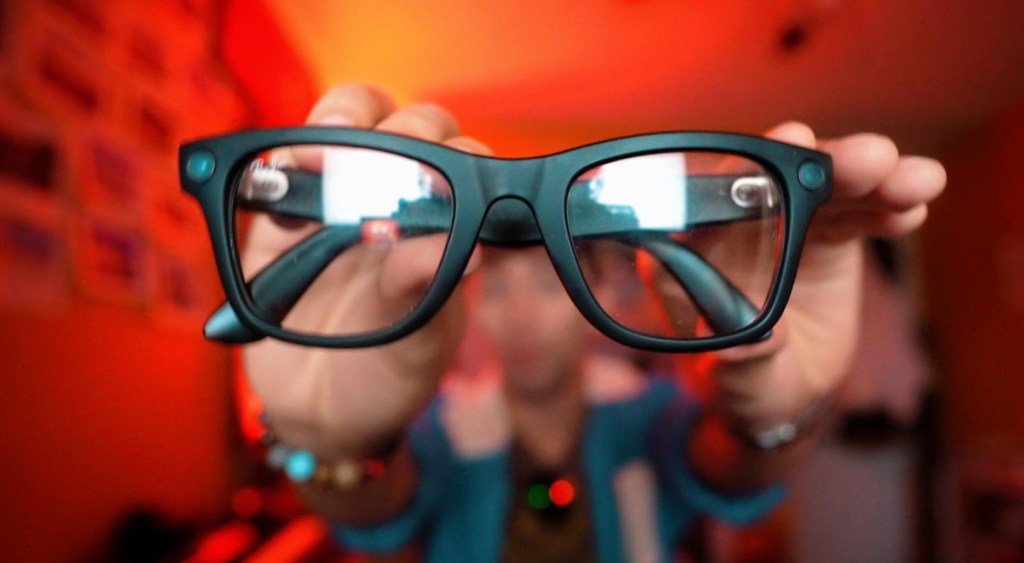
Ray-Ban Meta Smart Glasses in 2025: Integrating In-Lens Displays and the Path to Augmented Reality


When Ray-Ban Meta smart glasses launched in 2023, they were a stylish, surprisingly powerful mix of camera glasses and a wearable assistant. Fast-forward to 2025, and these glasses are inching toward something much bigger: true augmented reality. With Meta now preparing to add tiny displays inside the lenses themselves, we’re seeing the start of a fundamental shift—from passive smart glasses to immersive, everyday computing devices.

Let’s break down how we got here, what’s new in 2025, and what Meta’s long-term vision looks like.


2023: Smart Glasses Become a Real Assistant

In September 2023, Meta and Ray-Ban launched the second generation of their smart glasses—the Ray-Ban Meta series. This wasn’t just an upgrade in style or battery life. It marked the true beginning of Meta’s vision for smart eyewear:

  • A Better Camera: The new 12MP camera allowed users to take higher-resolution photos and record videos up to 60 seconds, compared to the 30-second limit on the first model.
  • Stronger Audio System: With five microphones, the glasses offered clearer calls and more accurate voice pickup, even in noisy environments.
  • Meta AI: This was the game changer. The built-in assistant could respond to voice commands, answer basic questions, send messages, and control music or calls—all triggered by a simple “Hey Meta.”
  • Customization: Over 150 frame and lens combinations gave users more options to personalize their look while staying connected.

By the end of 2023, creators, travelers, and everyday users began realizing that these weren’t just camera glasses—they were wearable assistants.


2024: The Year Everything Got Smarter

In 2024, the glasses received the biggest leap forward yet: they started to understand what you were seeing.

April 2024: Meta AI with Vision

Meta rolled out an update that gave the glasses visual awareness. With “Meta AI with Vision,” you could:

  • Ask, “What am I looking at?” and get information about buildings, objects, animals, and more.
  • Get real-time translations by looking at a sign or menu in another language.
  • Get memory support, like asking “Where did I park?” and having the glasses recall what they saw.
  • Use contextual assistance—the AI could understand what you were doing or looking at and offer help in the moment.

This wasn’t just an assistant anymore. It was starting to behave like a basic visual AI companion.

September 2024: Deeper AI and App Integration

Later that year, Meta delivered even more powerful updates:

  • Conversational Awareness: You could talk to the glasses naturally, without needing to say “Hey Meta” repeatedly. It remembered the context of your questions.
  • Video-based AI Help: You could record or live-stream what you were seeing and ask Meta AI questions about it—like a walking tour with a genius guide.
  • Voice Messaging & Hands-Free Communication: You could send messages through WhatsApp and Messenger using just your voice.
  • Media Control: Integrations with Spotify, Amazon Music, Audible, and others made it easy to play music or audiobooks, identify songs, and even get music suggestions—all through voice.
  • Third-Party Expansion: Meta began collaborating with more developers to build new apps and tools directly into the glasses experience.

2024 showed that Meta was no longer just improving hardware—it was turning the glasses into a complete AI ecosystem.


2025: In-Lens Displays and the First Step into AR

This year, Meta is preparing to release the biggest hardware upgrade yet: micro-displays built right into the lenses.

Here’s what we know:

  • What They’ll Do: These tiny displays will show basic visuals like incoming messages, navigation prompts, or reminders, all directly in your line of sight—without needing to check your phone.
  • How They’ll Work: Meta is working with Luxottica to embed ultra-thin display tech into the lenses without making the glasses bulky or uncomfortable. The goal is to retain the Ray-Ban style while adding next-gen utility.
  • Who Gets Them: These features are not just a software update. They’ll only be available in a new, high-end model of the Ray-Ban Meta smart glasses, expected to release in late 2025. The price is rumored to be around $1,000, a major jump from the $300 base model.
  • Not Quite Full AR (Yet): These in-lens displays are not the same as full AR (which would require 3D mapping, spatial anchors, and interaction). But they are the foundation—a way to build up everyday utility before Meta introduces something like the long-rumored “Orion” AR glasses.
  • Meta’s Strategy: By gradually integrating AI, visual context, and now micro-displays, Meta is onboarding users step-by-step into a future where glasses don’t just record what you see—they enhance it in real-time.

Ray-Ban Meta smart glasses have gone from stylish camera gadgets to context-aware voice assistants to early-stage AR devices—all within two years. With in-lens displays set to arrive by the end of 2025, Meta is taking its boldest step yet toward glasses that don’t just let you capture the moment, but live more intelligently inside it.

And this is just the beginning.

If you’d like to check out the current Ray Ban Meta glasses, you can purchase them here (affiliate)!

I Wore Ray-Ban Meta Glasses for 24 Hours Straight – Can They Really Replace Your Phone?

Can AI glasses replace your smartphone? For 24 hours, I put the Ray-Ban Meta Smart Glasses to the test as my only device. No phone. No screen. Just these futuristic glasses equipped with AI, speakers, cameras, and microphones.

These are among the most popular AI glasses you can buy right now. But can they really replace your smartphone or are they just a cool gimmick? Here’s what I learned after wearing them non-stop for a full day.

👉 Check out the Ray-Ban Meta Glasses and styles here


First Impressions – What Can These Glasses Actually Do?

At first glance, these glasses have impressive features:

  • Five microphones for clear audio
  • Bone-conduction speakers to keep you aware of your surroundings
  • A built-in AI assistant (powered by ChatGPT)
  • Ability to call, text, take photos, record videos, live stream, and more
  • No screen—but is that really a downside?

To find out, I hit the streets and asked people:

Do you think AI glasses will ever replace smartphones?

Surprisingly, most people thought “yes”, and were excited about where AI is heading—even if they weren’t fully familiar with the tech yet.


Living Without a Phone for a Day

For the next 24 hours, these glasses were my lifeline. Here’s how they stacked up:

✅ Texts, Calls, and Podcasts

  • I texted friends using just my voice
  • Made calls easily
  • Put on my favorite podcast while walking through the city
    All hands-free, all seamless.

✅ The AI Cheat Code

One of the coolest features?
I used the glasses to summarize pages from a book—all without pulling out my phone or laptop.

✅ My Favorite Feature: Describing the World Around Me

  • I asked Meta to describe what it saw and even write a poem about a yellow taxi passing by.
  • Later, it helped me write song lyrics on the fly!
    I finished the song way faster than I would have on my own.

How It Changed My Day

Without social media or constant notifications, I was way more present in the world around me.
It felt refreshing—almost like a digital detox but without losing core functionality like calling, texting, and listening to music.

⏰ Timer as an Alarm

Fun fact: while Meta can’t set an alarm yet, you can use a timer workaround to wake up on time.


An Unexpected Twist

Later that evening, an emergency took me to the hospital with a family member.
Even during stressful moments, not having a phone glued to my hand was grounding.
I was fully present, spending quality time without distractions.


The Verdict – Can These Glasses Replace a Phone?

🟢 Yes… but also no.

For now, these glasses can replace 80-90% of what you use your phone for:

  • Calls & texts
  • Music & podcasts
  • AI assistance & translations
  • Instant photo/video capture

But they aren’t quite a full replacement—yet. They’re more of an enhancement for someone who wants fewer distractions and more hands-free control.


Who Are They Really For?

If you:

  • Already wear glasses
  • Want to minimize screen time
  • Love experimenting with cutting-edge tech
  • Need a personal AI assistant everywhere you go
    These could be perfect.

While future AR glasses with displays will likely be more mainstream, Ray-Ban Metas are for minimalists and tech lovers who want to experience a new way to interact with the world.


Final Thoughts

Incredible for mental health
Feels futuristic, but very practical
Way more immersive and freeing than expected

👉 Check out these AI glasses and explore the styles here

The above links are affiliate links and help support me at no extra cost to you.


Ray Ban Meta Long-Term Review (2025) – Are They Still Worth It?

I’ve owned the Ray-Ban Meta Smart Glasses for over six months, and it’s time for an honest long-term review. Do I still think they’re worth it? Have they held up over time? What features stand out, and what issues have I run into? If you’re considering getting a pair, here’s everything you need to know.

👉 Check out the Ray-Ban Meta Smart Glasses here: Ray Ban Meta Glasses in multiple colors – Amazon (Affiliate link, supporting the content at no extra cost to you!)


🔥 What I Love About the Ray-Ban Meta Smart Glasses

These glasses have some incredible features that set them apart from anything else on the market. Here are the biggest standouts:

1. Five Microphones for Outstanding Call Quality

  • The built-in microphones in the bridge of the glasses provide crystal-clear audio.
  • Call quality is actually better than AirPods, according to people I’ve spoken with on video and audio calls.
  • Whether you’re in a busy street or a quiet room, voices come through incredibly clear.

2. Bone Conduction Audio – Listen to Music Without Earbuds

  • The bone conduction speakers allow you to listen to music while staying fully aware of your surroundings.
  • It’s a great alternative to AirPods, especially when walking in the city or working out.
  • You can hear everything around you, while still enjoying music, podcasts, or calls.

3. Built-in 1080p Camera for POV Recording

  • You can shoot 1080p vertical videos with just a tap on the side of the frame.
  • Initially, the glasses had a 60-second recording limit, but that has now been increased to 3 minutes.
  • This is perfect for capturing spontaneous moments without pulling out your phone.

4. Real-Time AI Assistant and Object Recognition

  • This feature blew my mind—the AI assistant can identify objects, translate text, and describe scenes.
  • Example: I asked, “Hey Meta, what’s this plant?” and it correctly identified a rosemary bush.
  • It can also translate foreign languages on signs, menus, and even conversations.

5. No Need to Pull Out Your Phone

  • Instead of taking 10+ steps to open an app on your phone, you can just ask Meta AI.
  • Whether you need directions, weather updates, or random trivia, it works like an upgraded Siri without needing a screen.

👎 What I Don’t Love About the Ray-Ban Meta Smart Glasses

As great as these glasses are, there are some downsides worth mentioning.

1. The 3-Minute Recording Limit

  • While it’s better than 60 seconds, I still wish there was no limit.
  • I get why it exists (overheating issues), but a future update or hardware upgrade would be great.

2. I Don’t Normally Wear Glasses

  • I got laser eye surgery years ago so I wouldn’t have to wear glasses.
  • That said, I still wear these regularly because the design is actually stylish.

3. The App Initially Had Transfer Issues (Now Fixed!)

  • When these first launched, you had to keep the app open to transfer videos.
  • That was annoying, but thankfully Meta fixed it—now you can close the app and still transfer media.

4. No Horizontal Video Mode

  • I love flexibility in filming—my phone and camera can easily switch between vertical and horizontal.
  • But these only record in vertical mode.
  • I wish they had an option to flip the orientation for landscape recording.

🎯 Who Are These Glasses Best For?

These aren’t for everyone, but they’re absolutely worth it for certain people.

If You Already Wear Glasses

  • Prescription lenses can be added, making these a powerful upgrade to normal glasses.
  • Price-wise, they cost about the same as regular glasses but with way more functionality.

If You Use AirPods Daily

  • These are only $100 more than AirPods Pro but offer better call quality and music playback.
  • No earbuds = better awareness of your surroundings.

If You’re a Creator or Love Capturing Moments

  • POV recording makes it easier to document experiences hands-free.
  • You don’t need to pull out your phone—just press a button and start recording.
  • Perfect for travel vlogs, action sports, and everyday memories.

If You Love Smart Tech and AI Assistants

  • The AI recognition and voice control features make these feel like the future of smart glasses.
  • Being able to identify objects, plants, and people just by looking at them is something straight out of sci-fi.

💪 Durability & Long-Term Wear

  • I’ve dropped these multiple times, and they still work perfectly.
  • They charge in the case, and battery life is excellent.
  • The design is sleek and stylish, with different models and colors available.

🚀 Final Verdict – Are They Still Worth It in 2025?

💯 YES, especially if you wear glasses or use AirPods often.
Even though I don’t normally wear glasses, I still use them every week.

What I’d Like to See in Future Versions:

Longer recording limits (or no limit at all)
Horizontal video mode for YouTube-style filming
Even more AI capabilities

If any of those features get added, these could become a must-have daily wearable for everyone.

👉 Check out the Ray-Ban Meta Smart Glasses here: Ray Ban Meta Glasses – Amazon (Affiliate link – helps support this content at no extra cost to you!)


Do you think smart glasses will replace phones one day? Let me know your thoughts! 🚀

5 Money Hacks for Travel in 2024: Save Money Traveling the World

Ever dream of tossing a backpack over your shoulder, grabbing a one-way ticket, and traveling the world? If you’re worried about how much it costs, this article is for you. These five practical money-saving hacks are based on real experiences, showing you how to save a significant amount of money while traveling.

1. Stay in Hostels Instead of Hotels

Accommodation is often one of the most expensive aspects of travel, but it doesn’t have to be. Instead of booking pricey hotels, try hostels. Not only do hostels save you money, but they also provide a unique opportunity to meet new people, especially if you’re traveling solo.

  • Cost: Hostel stays typically range from $20 to $40 per night, making it a highly affordable option.
  • Perks: Many hostels offer free breakfast, events, and the chance to book private rooms for cheaper than hotels.
  • Tip: Use apps like Hostelworld to find the best-rated and affordable hostels. Booking ahead can also help you avoid price hikes during peak seasons.

Example: A 30-day stay across multiple hostels in Europe cost just over $700—a fraction of what hotels would have charged.

2. Maximize Travel Credit Card Rewards

Travel rewards credit cards can save you hundreds on flights, accommodations, and even extra travel perks like TSA pre-check.

  • How it works: Many travel cards, such as the Chase Sapphire Preferred, offer massive sign-up bonuses. For example, after spending $3,000 in the first three months, you can earn 60,000 points—equivalent to about $600 in travel credits.
  • Strategic spending: Use your credit card to pay for major travel expenses like accommodations, flights, and train tickets. You can hit your minimum spending requirement quickly and earn free travel credits.
  • Tip: Be sure to pay off your credit card balance in full each month to avoid interest charges, which can negate the savings from your rewards.

Example: Using rewards, you could reduce your round-trip flight expenses by $400 to $500.

3. Book Flights to Cheaper Airports

Instead of flying directly to your destination, look for cheaper flights to nearby airports. Once you arrive in a nearby city, you can take a budget airline or train to your final destination.

  • Tools to use: Websites like Google Flights and Skyscanner allow you to see price maps of nearby airports, helping you find the cheapest option.
  • Tip: Be flexible with your travel dates. Avoiding high-demand travel days can significantly lower flight costs.

Example: Instead of flying directly to Dubrovnik, Croatia, consider flying to a larger airport in Italy, like Naples or Rome, and taking a cheaper flight or train into Croatia. This simple switch could save you hundreds of dollars.

4. Travel When Your Expenses Are Lowest

Timing your trip to coincide with the end of your lease, or renting out your home while you’re gone, can dramatically cut your expenses.

  • Save on rent: By planning your trip during a period when you don’t have to pay for housing back home, like the end of a lease, you can reduce your overall expenses.
  • Tip: If you own your home or are in the middle of a lease, consider renting it out on Airbnb or subletting to cover the costs of your mortgage or rent while you travel.

Example: By traveling for a month at the end of a lease, you could save $500 or more on rent.

5. Spend More Time in Less Expensive Destinations

One of the best ways to save money is to allocate more time in affordable destinations and less time in expensive ones.

  • Balance your trip: For example, Eastern European countries like Hungary are generally cheaper than Western European countries like Austria. By spending more days in Hungary and fewer in Austria, you can enjoy both destinations without overspending.
  • Tip: Research accommodation and food costs in different locations before planning how long to stay in each place.

Example: Staying five days in Budapest, Hungary, costs about the same as two days in Vienna, Austria. By spending more time in the less expensive city, you maximize your travel experience without draining your budget.


By applying these hacks, you can save a significant amount on your next trip and make traveling the world a reality. Whether it’s strategically booking cheaper flights or leveraging travel credit card rewards, a little planning can go a long way in cutting costs. Happy travels!

5 Packing Hacks for Airports You’re Missing Out On

If you’ve ever found yourself at the airport frustrated by luggage fees or overwhelmed by the amount of stuff you’re trying to fit into one personal item, this article is for you! With a few clever packing hacks, you can bring more onto the plane without having to pay for an extra checked bag. After traveling for 30 days with just one backpack, I’ve learned some tricks that will help you make the most out of your packing space, while keeping your budget intact.

1. The Shopping Bag Hack

This one’s a game changer! Most airlines allow you to bring one personal item, usually a backpack that must fit under the seat in front of you. However, there’s a clever way to sneak an extra item onto the plane: bring a shopping bag. Here’s how it works: airports are filled with stores where passengers buy clothes, electronics, and other items, and they often walk out carrying those items in shopping bags. Airlines generally don’t charge for those bags because they assume you bought them at the airport.

The hack? You don’t have to buy anything. Just carry your own shopping bag filled with stuff when you arrive at the airport. Security won’t question it, and neither will the flight attendants. You’ll essentially get a second personal item without paying for it. The only catch is that the bag shouldn’t be overly huge—something they’d assume you grabbed in the terminal.

2. Roll Your Clothes and Use Small Compartments

You’ve probably heard the advice to roll your clothes instead of folding them. It helps save space by making your clothes more compact. But here’s the next level trick: don’t just roll them—place them in the smallest compartments of your bag. For example, roll socks and underwear and tuck them into the side pockets of your backpack, leaving the main compartment free for bulkier items like shoes or electronics.

Rolling also helps prevent wrinkles, so you’ll arrive at your destination with clothes that look fresh and ready to wear. It’s all about maximizing the nooks and crannies of your bag.

3. Stuff Your Neck Pillow

Neck pillows are great for staying comfortable on flights, but did you know you can turn them into extra storage space? Many neck pillows have zippers. You can remove the cushion inside, roll up some clothes, and pack them inside the pillow. You won’t lose any comfort for your neck, but you’ll gain extra room for a few more shirts or pairs of socks.

Plus, since neck pillows are considered personal comfort items, no one’s going to stop you from bringing it on board. It’s the perfect little extra storage trick!

4. Wear and Tie Your Bulky Items

One of the easiest ways to save space in your luggage is to wear your bulkiest items to the airport. Jackets, hoodies, or even an extra pair of shoes—wear them, tie them around your waist, or strap them onto your backpack. This saves room in your bag and ensures you have more space for the smaller things.

For instance, you can tie a hoodie onto the top handle of your backpack, or even loop a pair of shoes through the straps. It might look a little funny, but it’s effective, and you won’t have to leave anything behind.

5. Board Late, Store Your Bag Overhead

If your personal item ends up being too big to fit under the seat in front of you, don’t panic! Here’s what you can do: board the plane last. Airlines are usually in a rush to take off once the last group boards, and they don’t want to waste time rearranging bags. By boarding late, you can simply place your oversized bag in the overhead compartment, where there’s usually extra space because people in your group aren’t allowed carry-ons.

It’s important to note that aisle seats often have smaller under-seat space due to bars or dividers, so boarding last also gives you the opportunity to find out if there’s room. If not, you’ll be able to store your bag above without any hassle.


With these five airport packing hacks, you’ll never have to worry about cramming everything into one tiny personal item again. Whether it’s sneaking an extra shopping bag, rolling your clothes smartly, or using your neck pillow for storage, these tricks can help you pack more efficiently and avoid unnecessary fees. Happy travels!

MacBook M1 Pro 14 Inch vs 16 Inch: Which is Best for You in 2024?

Are you stuck trying to decide between the MacBook M1 Pro 14-inch and the 16-inch models? I know the struggle — it took me weeks to figure it out when I was in the same boat. But I’ve tested both models, and by the end of this article, you’ll have a much clearer idea of which one suits your needs. Let’s dive into three reasons why you might want the 14-inch model, and three reasons why the 16-inch might be a better fit. Hopefully, this will be the last article you need to read before making your choice!

Why the 14-inch MacBook Pro M1 Might Be Best for You

1. Portability is Key
The 14-inch MacBook weighs 3.5 lbs, while the 16-inch comes in at 4.7 lbs. That 1.2 lbs difference may not seem like much at first, but if you’re carrying it around all day, you’ll notice it, especially when traveling. Whether you’re hiking, commuting, or just running around the city, every pound counts. The 14-inch is also about two inches shorter vertically, making it a better fit in smaller bags, leaving room for other travel essentials.

2. You Don’t Need the Extra Screen Space
Ask yourself this: Do you really need a bigger screen? If you don’t work with apps that demand tons of screen real estate — like video editing software with multiple windows and settings — the 14-inch may be more than enough. If you’re just browsing the web, writing, or even recording music, you likely won’t benefit from the extra two inches the 16-inch offers. Trust your intuition — if a bigger screen has never made a huge difference in your workflow, the 14-inch should do just fine.

3. Budget-Friendly Option
This might be the deciding factor for many people. A refurbished 14-inch MacBook can be found for around $1,000. I managed to grab mine for about $950, which is a fantastic deal for such a powerful machine. The 16-inch model, however, usually runs around $1,200 refurbished. That $200 difference can go a long way, especially if you’re looking to buy extra accessories like a USB-C hub, a nice case, or a keyboard cover. If staying within a budget is a priority, the 14-inch is a great option.

Why the 16-inch MacBook Pro M1 Might Be Best for You

1. You Need (and Love) a Bigger Screen
If you value working on a larger display, or if it’s non-negotiable for your workflow, the 16-inch model is likely the way to go. This is especially true for video editors or creatives who need to see tiny details and enjoy having a large playback screen. The 16-inch’s larger screen can save you time and effort by allowing you to see more of your project at once, and it can make you more efficient in the long run.

2. You Require More Power
Do you need powerhouse features like faster rendering, better speakers, or more RAM? The 16-inch excels in this department, making it ideal for professionals who work with large video files, complex coding projects, or even machine learning. You also get superior speakers, especially when it comes to bass, which can make a noticeable difference when you’re listening to music or editing sound. For those doing heavy-duty tasks, the extra processing power will make your workflow smoother and faster.

3. Future-Proofing is Important to You
Spending an extra $200 for all these features might seem like a lot, but think of it as an investment. The extra power and screen real estate will mean you’re less likely to feel the need to upgrade in a year or two. That could save you hundreds, if not thousands, of dollars over time. Plus, the 16-inch offers a larger trackpad, better cooling, and it runs quieter during long sessions, all of which enhance the user experience.

Final Thoughts: How to Decide

If portability and budget are your primary concerns, the 14-inch is a great choice. It’s still a powerful machine, and unless you absolutely need the larger screen and added power, you likely won’t feel like you’re missing out. On the other hand, if you prefer a larger screen for tasks like video editing or need the extra performance for intensive work, the 16-inch is worth the extra money.

Not sure which to pick? One option is to test both models yourself. Purchase one, try it for a few weeks, and if you feel like you’re missing out on features, return it for the other model. Both versions come with a 30-day hassle-free return policy, so there’s no risk in giving it a shot!

If you’re ready to buy, I’ve included links to the exact versions I purchased below. Full disclosure: these are affiliate links, meaning I earn a small commission if you decide to make a purchase through them, at no extra cost to you.

I hope this article made your decision easier, and you’re one step closer to picking the right MacBook for your needs!

Is the MacBook M1 Pro 16 Inch the Best Travel Laptop for 2024?

Traveling is becoming more popular than ever, and many people are working remotely, whether they’re in Thailand, Europe, or simply another state. If you’re like me and need a laptop that can handle heavy workloads like video editing while on the go, the MacBook M1 Pro 16-Inch might be the perfect option. After backpacking through Europe for 30 days with this laptop, I’ve tested it in all sorts of environments — from tight plane seats to cramped trains. So, is the 16-inch MacBook M1 Pro the best travel laptop for 2024? Let’s dive in.

Portability: Is 16 Inches Too Big?

When you think of a travel laptop, you probably want something portable — perhaps a 14-inch or even a MacBook Air comes to mind. But here’s the deal: I was traveling to edit videos every single day, sometimes for hours. With that workload, I needed the extra power of the 16-inch model, and it didn’t disappoint. Surprisingly, the size wasn’t an issue. I expected the 16-inch to be bulky, but it’s actually only slightly larger than the 15-inch MacBook Pro I was used to.

Despite the larger screen, it fit easily in my backpack and was portable enough to use in tight spaces. Whether I was on a train, in bed at a hostel, or even in a coach seat on a plane, I had no problem using it comfortably. The bigger screen was a game-changer for video editing, giving me the real estate I needed to be productive.

Power and Performance on the Go

The 16-inch MacBook M1 Pro is an absolute beast when it comes to performance. For someone who’s editing videos while traveling, this is a huge advantage. The built-in SD card slot made it easy to transfer footage, and the USB-C ports helped me quickly transfer audio from my DJI mic setup. The whole editing experience was smooth and seamless, and the laptop never once struggled to keep up.

Even more impressive were the speakers. For a travel laptop, you usually don’t expect great sound, but the MacBook’s speakers blew me away. It felt like I was watching a movie with a high-quality sound system — not something you’d normally experience on a laptop, especially when traveling.

Does It Attract Too Much Attention?

One concern I had before traveling with this laptop was safety. The MacBook Pro is an expensive piece of tech, and I didn’t want to become a target for theft while exploring unfamiliar places. My solution was simple but effective: I used a wood-themed case that covered the Apple logo. With the case on, the laptop looked like any other device, and I felt much more comfortable carrying it around.

If you’re worried about safety while traveling, I highly recommend getting a case that conceals the laptop’s high-end appearance. It’s a small step that makes a big difference in how secure you feel carrying such a pricey item.

Does the Weight Matter?

Let’s talk about weight. At 4.7 pounds, the 16-inch MacBook M1 Pro is heavier than some alternatives like the MacBook Air. But here’s the thing: I used it every single day, so the weight was never an issue. In fact, the weight was worth it because of how much I used the laptop for work. I carried lighter items on my trip that I barely used, and those were the things I regretted packing — not the MacBook.

Whether I was hiking or walking through city streets, I never once thought the MacBook was too heavy. It’s all about how much you’re going to use it, and for me, it was more than worth the extra weight for the power and screen size.

Is There a Better Option?

Could another laptop have been a better choice? Maybe a smaller model or a newer MacBook M3? For the type of work I was doing — video editing with a need for performance and screen real estate — the answer is no. The 16-inch MacBook M1 Pro was perfect. The larger screen, powerful performance, incredible speakers, and solid build quality made it the ideal travel companion. For only a couple hundred dollars more than the 14-inch model, the 16-inch version provided more than twice the value for me.

Conclusion: The Best Travel Laptop for 2024?

For anyone who needs a laptop capable of handling demanding tasks like video editing while traveling, the MacBook M1 Pro 16-Inch is, without a doubt, the best option. The size, weight, and power make it perfect for creative professionals on the go, and I’d choose it over any smaller or less powerful laptop every time.

If you’re interested in checking out the MacBook M1 Pro 16-Inch, here’s the link to the version I use. If you prefer a different color, you might also want to look at the Space Gray version, which may even be cheaper depending on demand.

Note: The links provided are affiliate links, meaning I may earn a commission if you purchase through them, at no additional cost to you. Thank you for your support!

Happy travels!